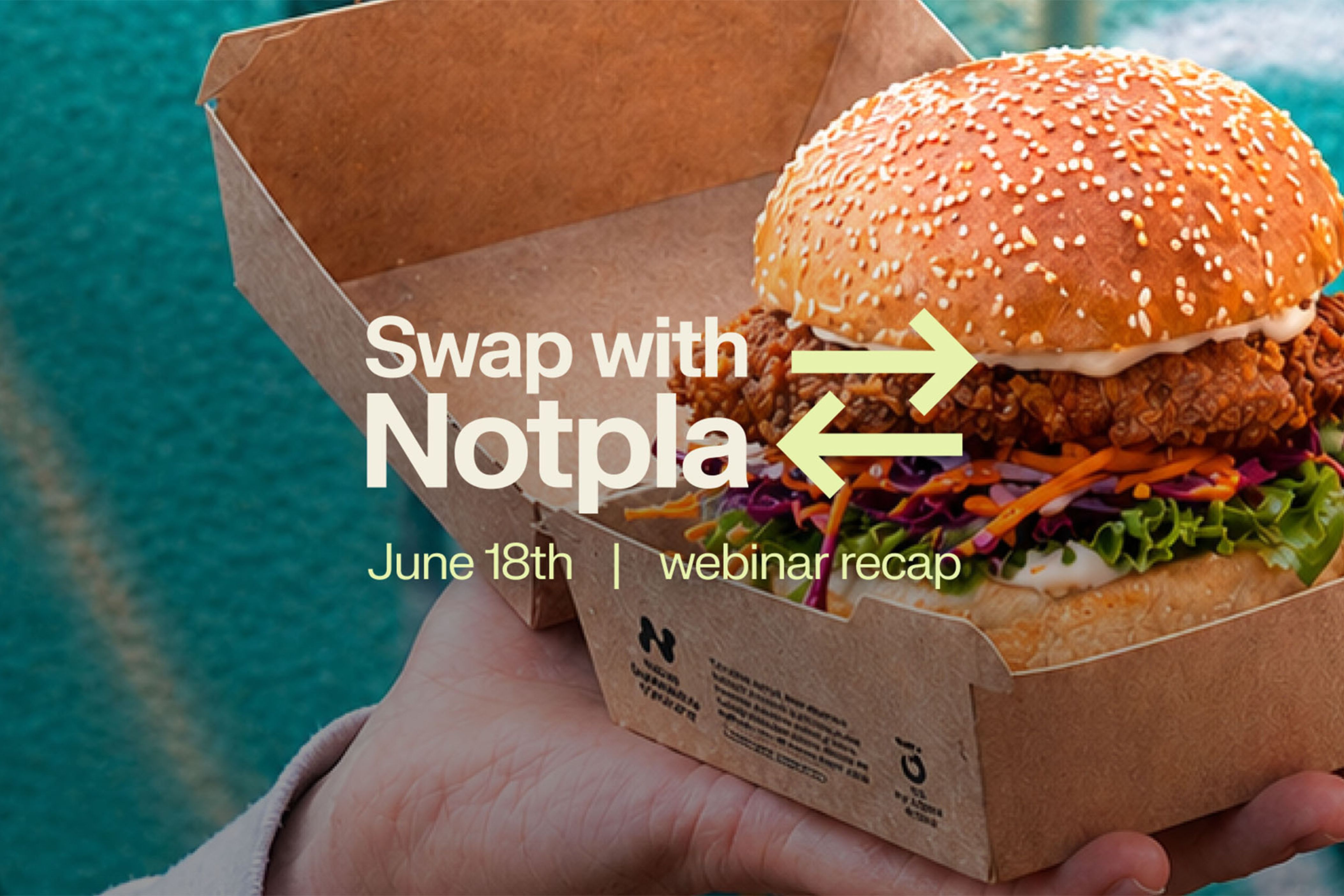
Microplastics and Plastic Chemicals in Food Packaging: The Hidden Problem

Microplastics aren’t just an environmental issue anymore. They’re being detected in food systems and in the human body. As research develops, a new question is emerging: not just where plastic ends up, but what it does while we use it.
From waste to health: a new chapter in the plastic story
For decades, the plastic problem was framed as waste. Ocean pollution. Landfill. Recycling.
That framing drove important change. But it only tells part of the story. Research is now looking more closely at how plastic moves through food systems and how both particles and plastic-associated chemicals may interact with the body.
Plastic is no longer just a waste issue. It’s a material system we’re exposed to every day.
This shift is explored in Netflix’s new ‘The Plastic Detox’ documentary, where growing attention is given to how everyday materials may be linked to wider health concerns, including the role of endocrine-disrupting chemicals found in plastics.
Watch the documentary here →

What are microplastics?
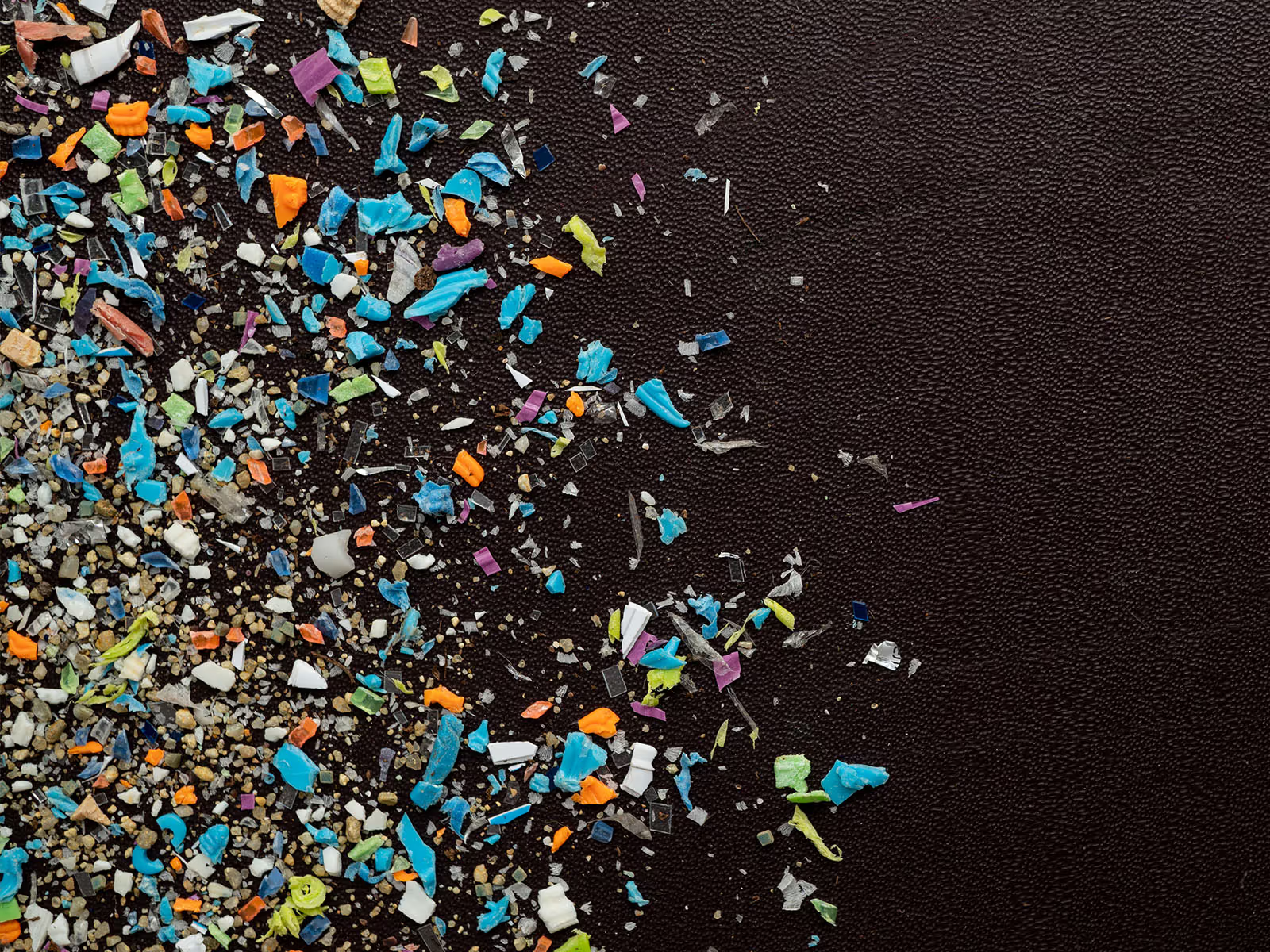
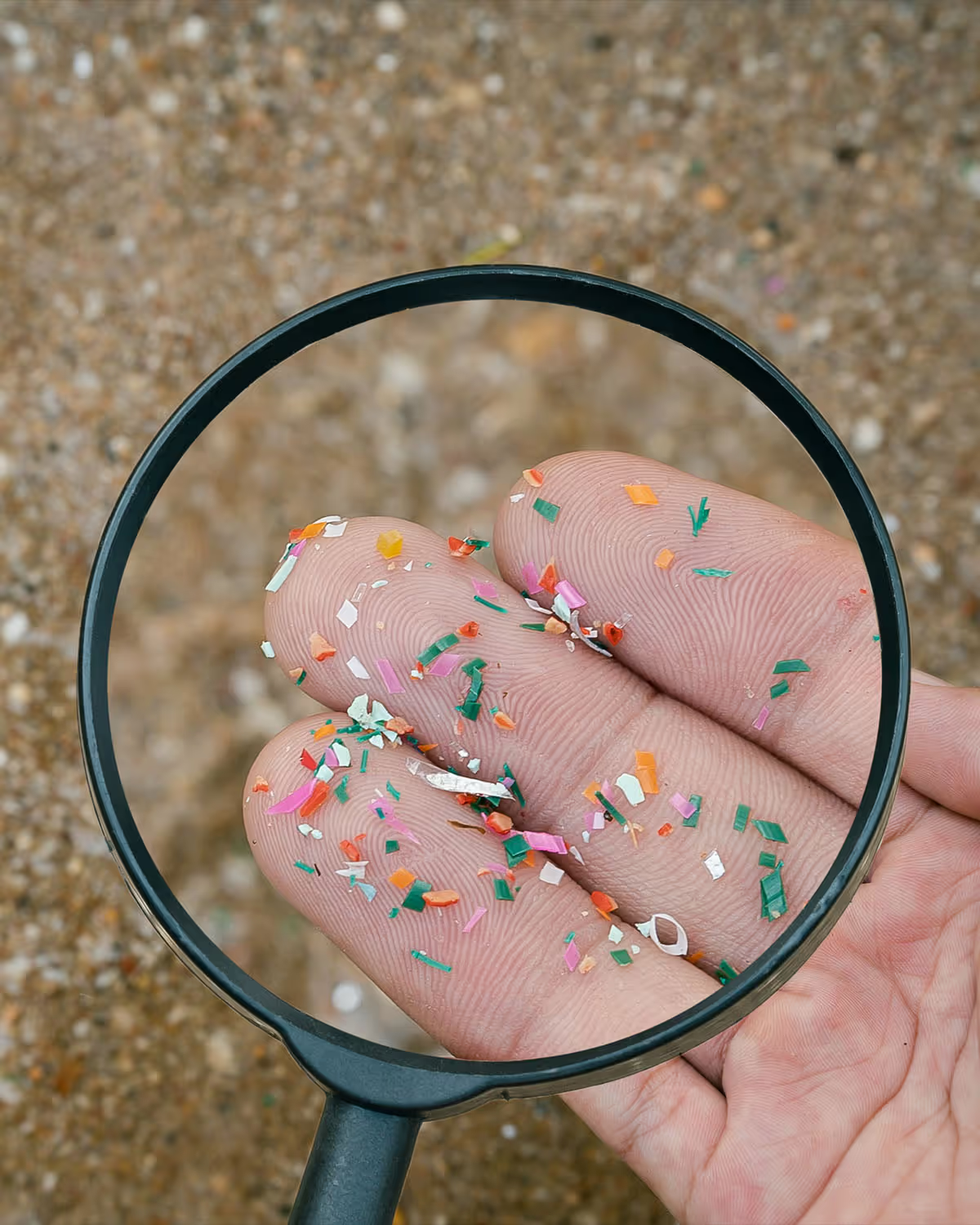
Microplastics are small plastic fragments, typically less than 5mm in size. They form in two main ways:
Primary microplastics:
Intentionally produced at small sizes, for example in industrial materials or synthetic fibres.
Secondary microplastics
Formed as larger plastic items break down through heat, light and mechanical stressPlastic doesn’t disappear. It fragments, becoming smaller, more mobile, and harder to trace through systems.
Where are microplastics found?
Microplastics have now been detected in: Human blood¹, Lung tissue², The placenta³ and our food and drinking water.
Research in this area is still evolving, but what’s becoming harder to ignore is how widely these particles have spread.
Sources
¹ Vethaak AD & Legler J, Science, 2021
² Gruber MM et al., 2023
³ Multiple studies summarised in recent reviews
What’s actually in plastic?
Plastic isn’t just one material, It’s a chemical system, a base polymer combined with a wide range of substances used to modify performance.
Plastic additives (intentionally added substances)
These include plasticisers, stabilisers, flame retardants and colourants, used to give plastic its functional properties.
Non-intentionally added substances (NIAS in plastics)
Chemicals formed during production or as materials degrade over time. Many of these substances have never been fully assessed.Many of these substances have never been fully assessed. Recent research has identified over 16,000 chemicals associated with plastics, with more than 4,000 classified as hazardous.¹
Source
¹ Aurisano N et al., Nature, 2025
Microplastics and chemical exposure
Microplastics don’t exist in isolation. As plastic fragments, it carries this chemical mixture with it.
Why smaller microplastic particles matter
Have greater surface area
Move more easily through environments
Are more likely to interact with biological systems
This is why microplastics and plastic-associated chemicals, including endocrine disruptors such as phthalates and bisphenols, are increasingly being studied together.
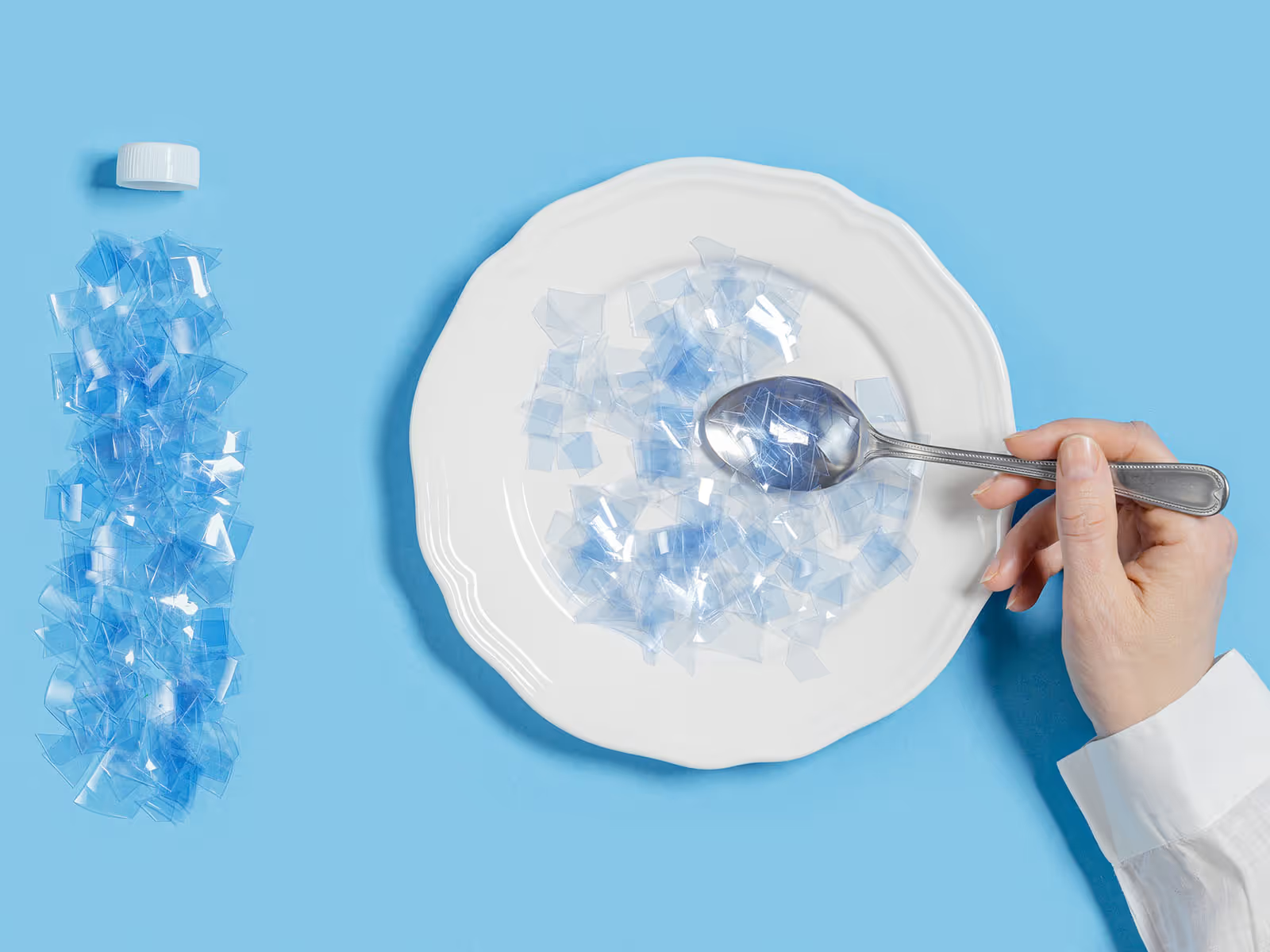
Why food packaging matters
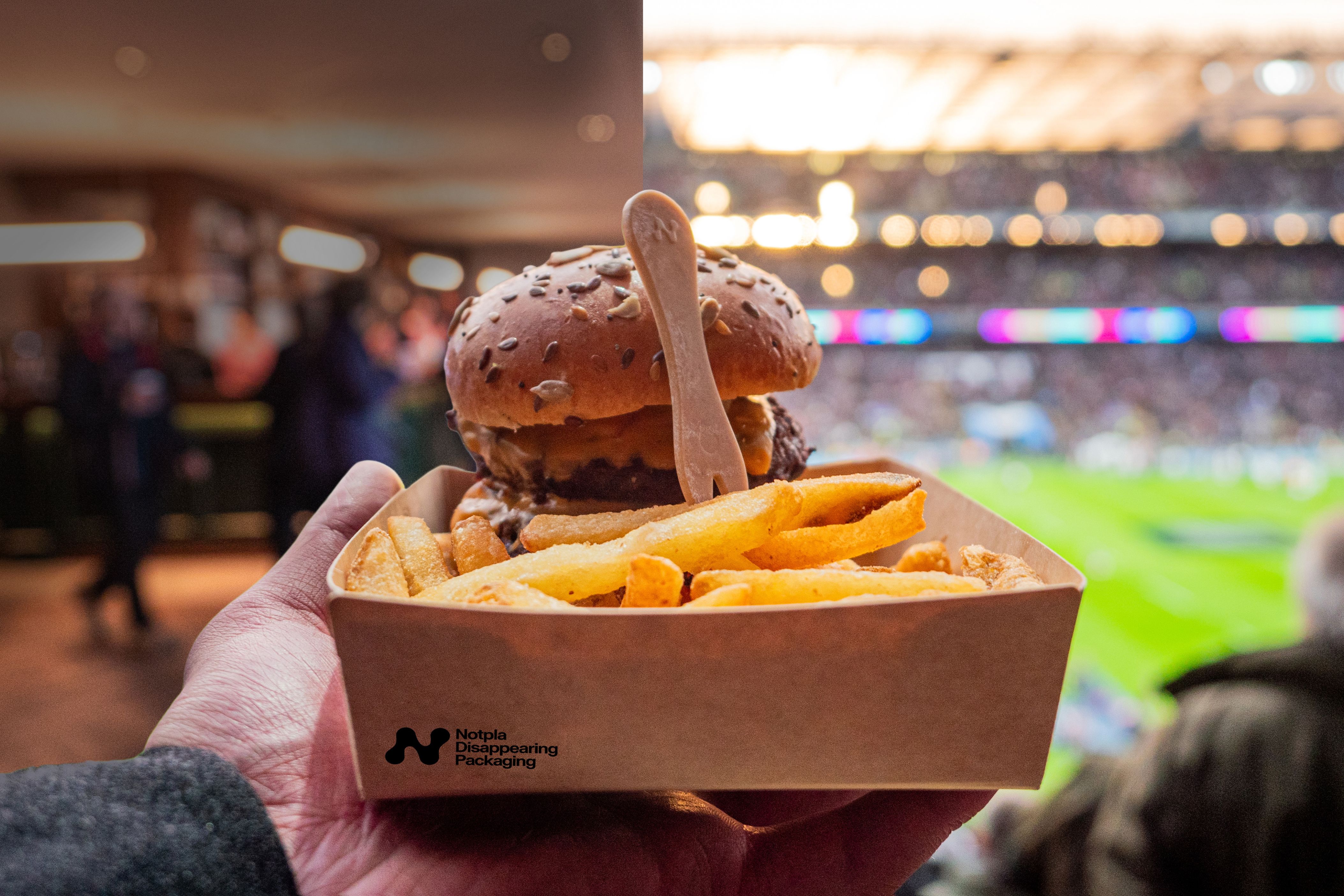
Food packaging is one of the most direct points of contact. Many food-to-go materials rely on plastic linings that sit directly against what we eat.
How plastic food packaging contacts food
Packaging materials are in constant contact with food, making them a key exposure pathway within food systems.
How packaging materials behave under heat and use
Under certain conditions, heat, fat, acidity, and time, materials tend to behave differently.
What research shows about plastic packaging and microplastics
Particle release | Chemical migration | Overall exposure
A 2023 study found that heating polypropylene containers released millions of microplastic particles and billions of nanoplastics under test conditions.¹
Packaging isn’t the only source of exposure. But it is one of the most immediate and one of the most controllable.
Source
¹ Li D et al., Environmental Science & Technology, 2023

The cocktail effect: safe alone, harmful together
Most safety systems assess chemicals individually, but exposure doesn’t happen that way. It happens as mixtures, across materials, environments and time. This is often referred to as the cocktail effect.
Limits of current plastic safety testing
Research in this area is still evolving, but it highlights a gap between how materials are tested and how they are actually used.
Health impacts being explored in plastic exposure
There is also growing attention on health outcomes, including metabolic, reproductive and immune effects, that are not always fully captured in traditional frameworks.
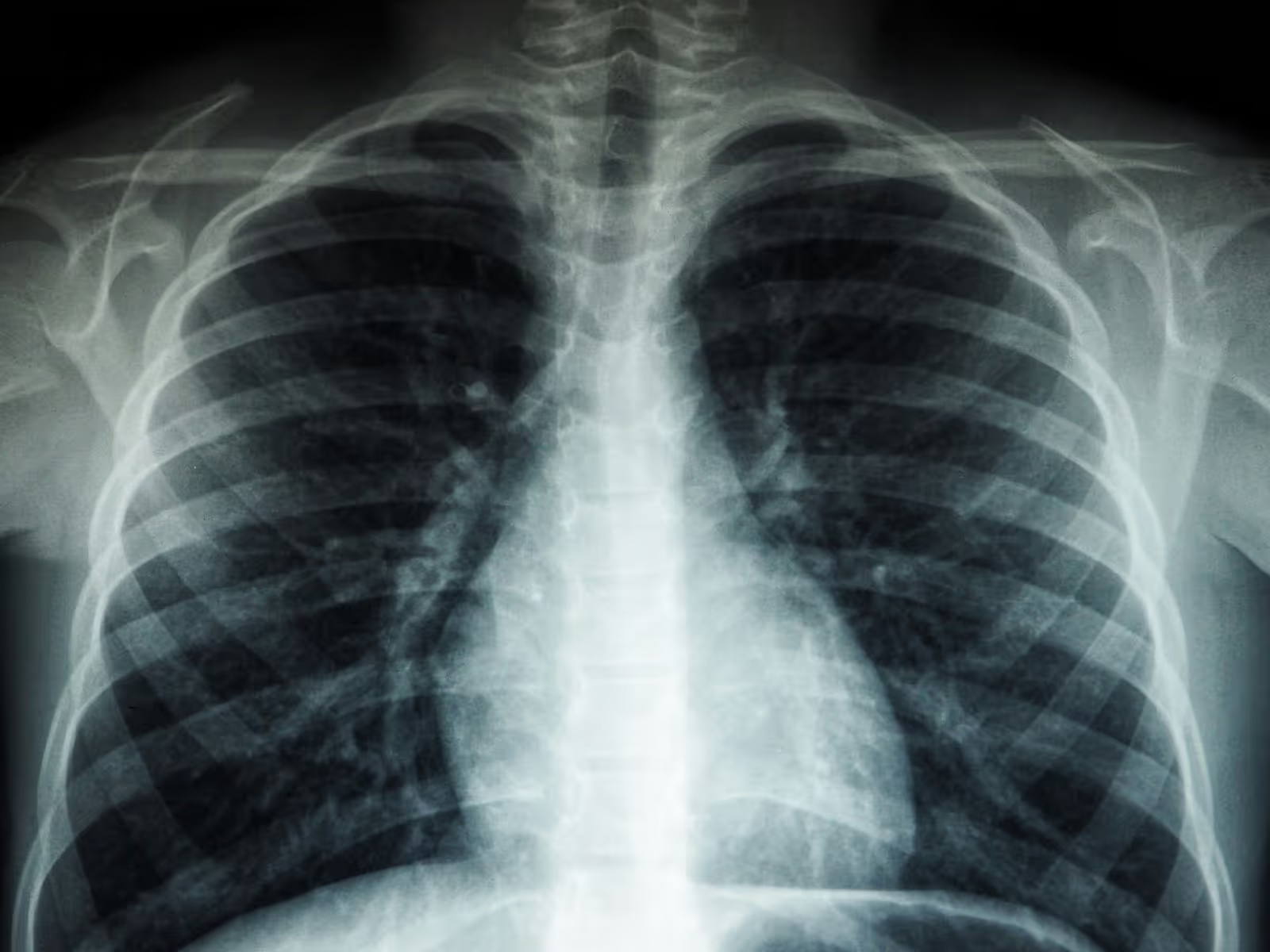
The good news: exposure can change
Exposure is not fixed.
Reducing exposure to plastic chemicals
Studies show that reducing contact with certain materials can lead to measurable changes in the body within days.
Environmental impact of reducing plastic inputs
At a system level, reducing environmental inputs has also been linked to ecosystem recovery
.Material choices have real impact.
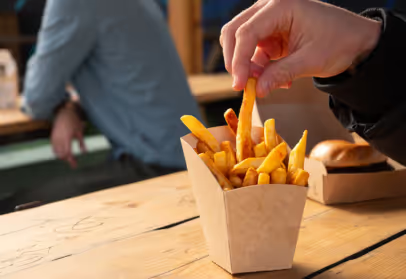
Why material innovation matters
If materials are part of the problem, they have to be part of the solution. That means rethinking what packaging is made from in the first place.
Packaging designed for safe food contact
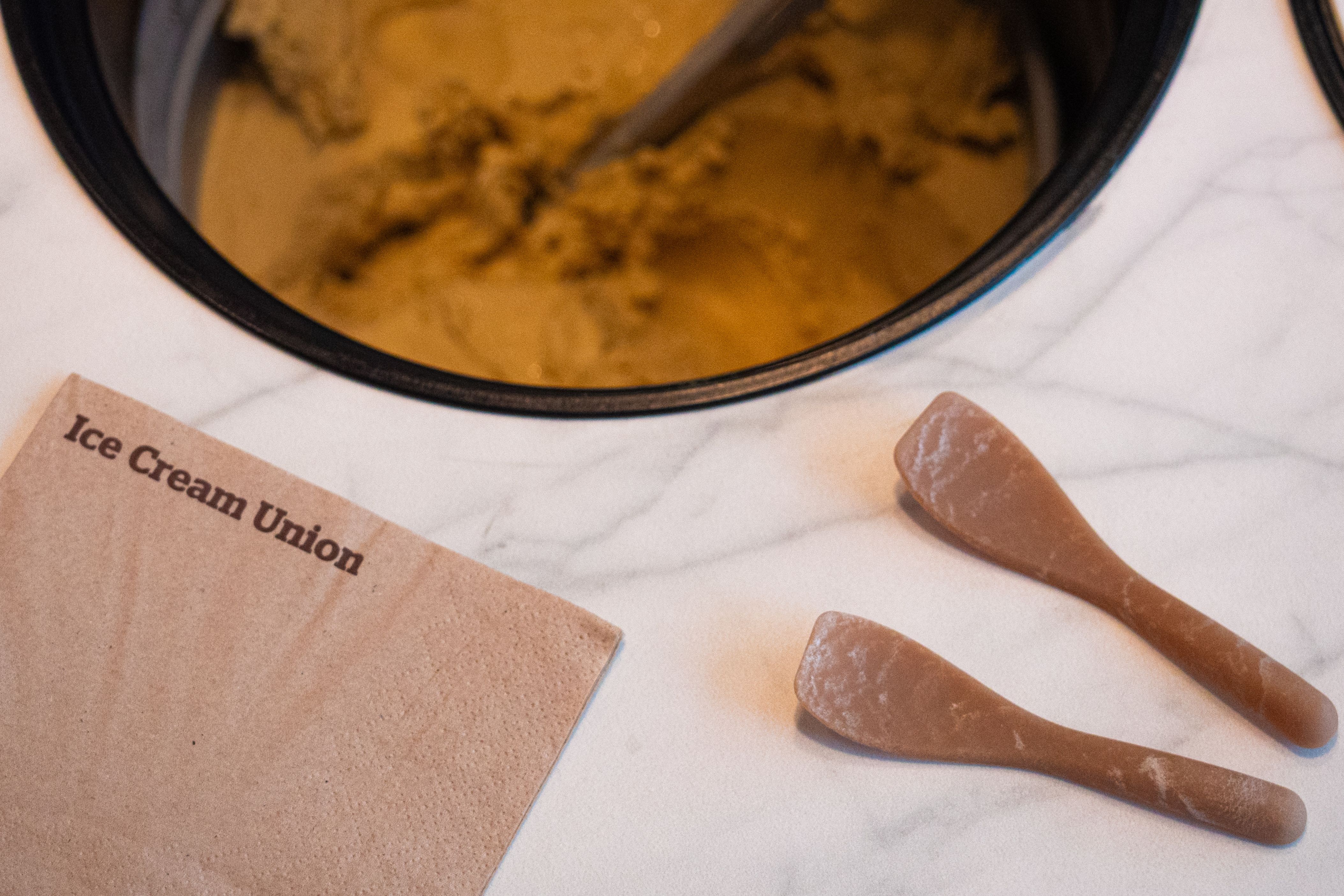
At Notpla, we start from nature. Our seaweed-based coatings replace the plastic layer in food packaging, the layer in direct contact with food.
What changes when plastic is removed from packaging
No synthetic polymer layer
No intentionally added plastic additives
No persistent plastic fragments
No microplastics created during breakdown
Materials designed to perform during use, and then break down naturally..
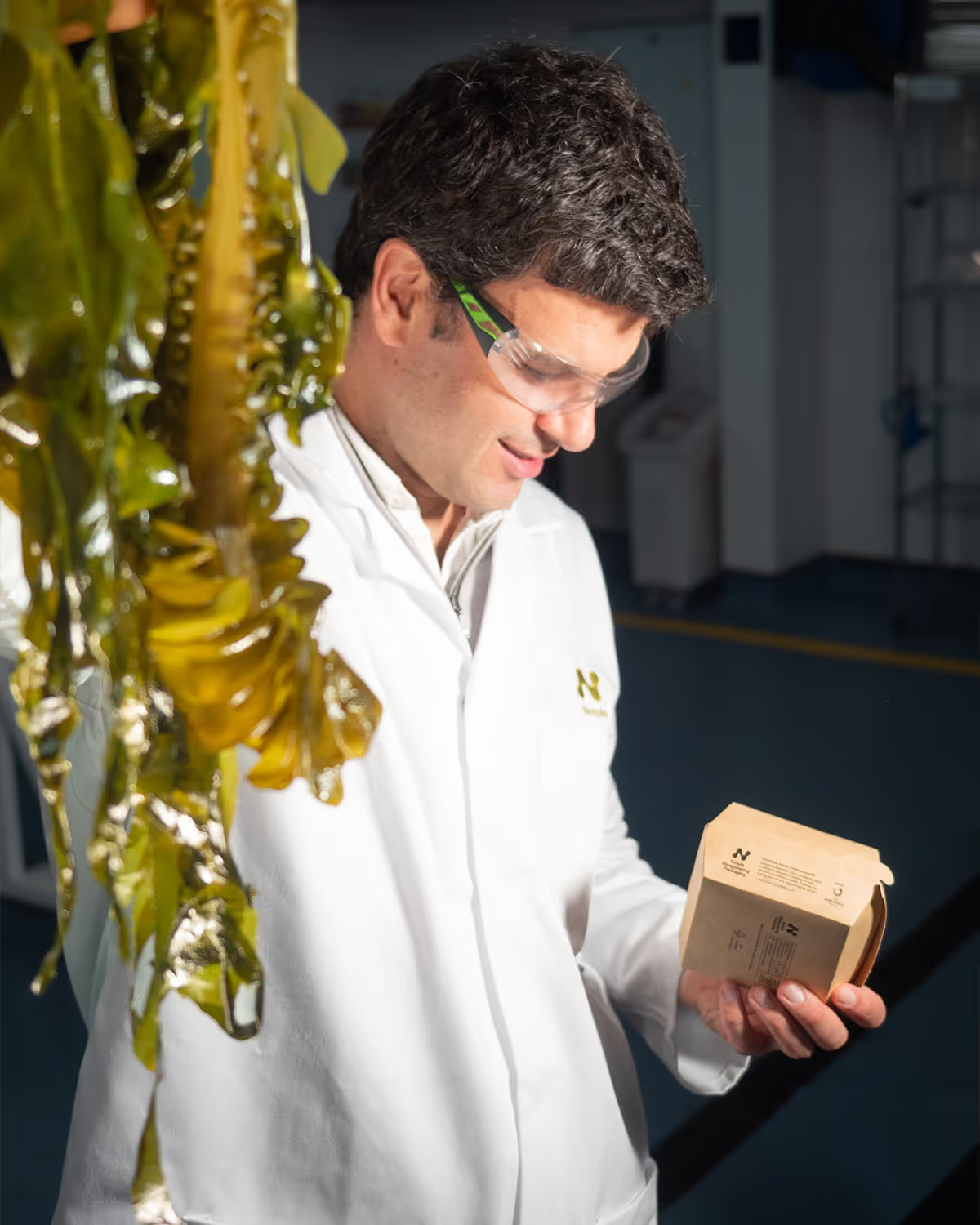
For years plastic was framed purely as a waste problem. But as the science around microplastics develops, it’s becoming clear the materials we use every day deserve much closer scrutiny.
→ Pierre Paslier, Co-Founder & Co-CEO of Notpla
.avif)
Better for you. Better for the planet.
Notpla coated food packaging replaces conventional plastic linings with seaweed-based coatings, creating packaging that works with nature rather than against it. No plastic. No persistent microplastics.
Just materials designed to disappear naturally.
FAQs
It's only natural that you'd have questions.
Anything you're still keen to find out? Drop us a message →
Endocrine-disrupting chemicals (EDCs) are substances that can interfere with the body’s hormonal system. They can affect processes such as reproduction, metabolism and development, and are increasingly being studied in relation to materials used in everyday products, including plastics.
NIAS (non-intentionally added substances) are chemicals that are not deliberately added to materials, but form during production or as materials degrade over time. They can arise from side reactions, heat, light, or interactions within the material itself, and many have not been fully assessed for long-term health impacts.
IAS are chemicals deliberately added to plastic to give it specific properties, such as flexibility, durability, colour or heat resistance. These include plasticisers, stabilisers and other additives commonly used in plastic manufacturing.
NOAEL stands for No Observed Adverse Effect Level. It refers to the highest level of exposure to a substance where no harmful effects are observed in testing. It is commonly used in regulatory frameworks to assess chemical safety.
.jpg)



.jpg)