
.jpg)
For decades, the food-to-go packaging has looked almost exactly the same.
Sandwich wedges lined with plastic film. Wrap boxes layered with fossil-fuel coatings. Deli packaging designed for convenience, but built around materials that were never designed to disappear.
SeaView changes that.
Introducing Notpla’s world-first food-to-go range combining a seaweed-based coating with a seaweed-based transparent window for total packaging transparency.
Built for sandwiches, wraps, salads and deli favourites, SeaView delivers the visibility, freshness and performance foodservice teams rely on, without the plastic hidden inside traditional formats.
At first glance, it looks familiar. And that’s the point.
The shelf still looks full. The service still moves quickly. The customer experience stays the same.
But underneath, the material story changes completely.
SeaView was designed for real foodservice.
Not as a future concept. Not as a compromise. But as packaging that works inside busy canteens, workplace catering and high-volume food-to-go environments.
The range includes:
And importantly, it’s built around the realities of service.
Grease resistance. Moisture resistance. Strong shelf presentation. Secure closures. Fast-moving lunch rushes.
At the centre of the range is a world-first transparent seaweed window designed to replace the traditional plastic film found in most food-to-go packaging.
Combined with Notpla’s seaweed-based coating technology, SeaView delivers the functionality of conventional packaging while removing the hidden plastic layers underneath.
.jpg)
Most food-to-go packaging appears recyclable, but in reality, many formats are built from layered materials that complicate disposal.
Plastic windows attached to cardboard. Plastic linings hidden inside paperboard. Coatings designed to handle grease, but difficult to process once thrown away.
In busy foodservice environments, those extra disposal steps rarely happen.
SeaView approaches the problem differently. Instead of relying on perfect recycling behaviour, the material system itself is simplified.
No plastic window film. No plastic coating. Just packaging designed to work more naturally with existing waste systems.
A small material change. A completely different end-of-life story.
The challenge with sustainable packaging has never been ideas. It’s making them work in the real world service.
Busy canteens. Packed lunch rushes. Shelves that need restocking constantly. Food that needs to stay fresh for hours.
That’s where many packaging innovations struggle. SeaView was designed differently.
At Arup’s London workplace canteen, operated by The Good Eating Company, SeaView packaging was introduced as part of wider efforts to reduce single-use plastic across the site.
The switch feels surprisingly simple. A sandwich wedge with a transparent window made from seaweed instead of plastic. A deli box without the hidden fossil-fuel lining. A wrap pack designed to disappear naturally at end of life.
The experience stays familiar. The shelves still look premium. The food is still visible. The service still moves quickly.
Only the material changes.
Looking to replace plastic-lined deli and food-to-go packaging in workplace catering or foodservice?
Explore the SeaView range or request a sample from the Notpla team.
From workplace canteens to high-volume foodservice environments, SeaView is designed to deliver the performance of traditional packaging without the plastic.
.jpg)
.jpg) The end of plastic versus paper: Why natural materials belong in modern manufacturing
The end of plastic versus paper: Why natural materials belong in modern manufacturing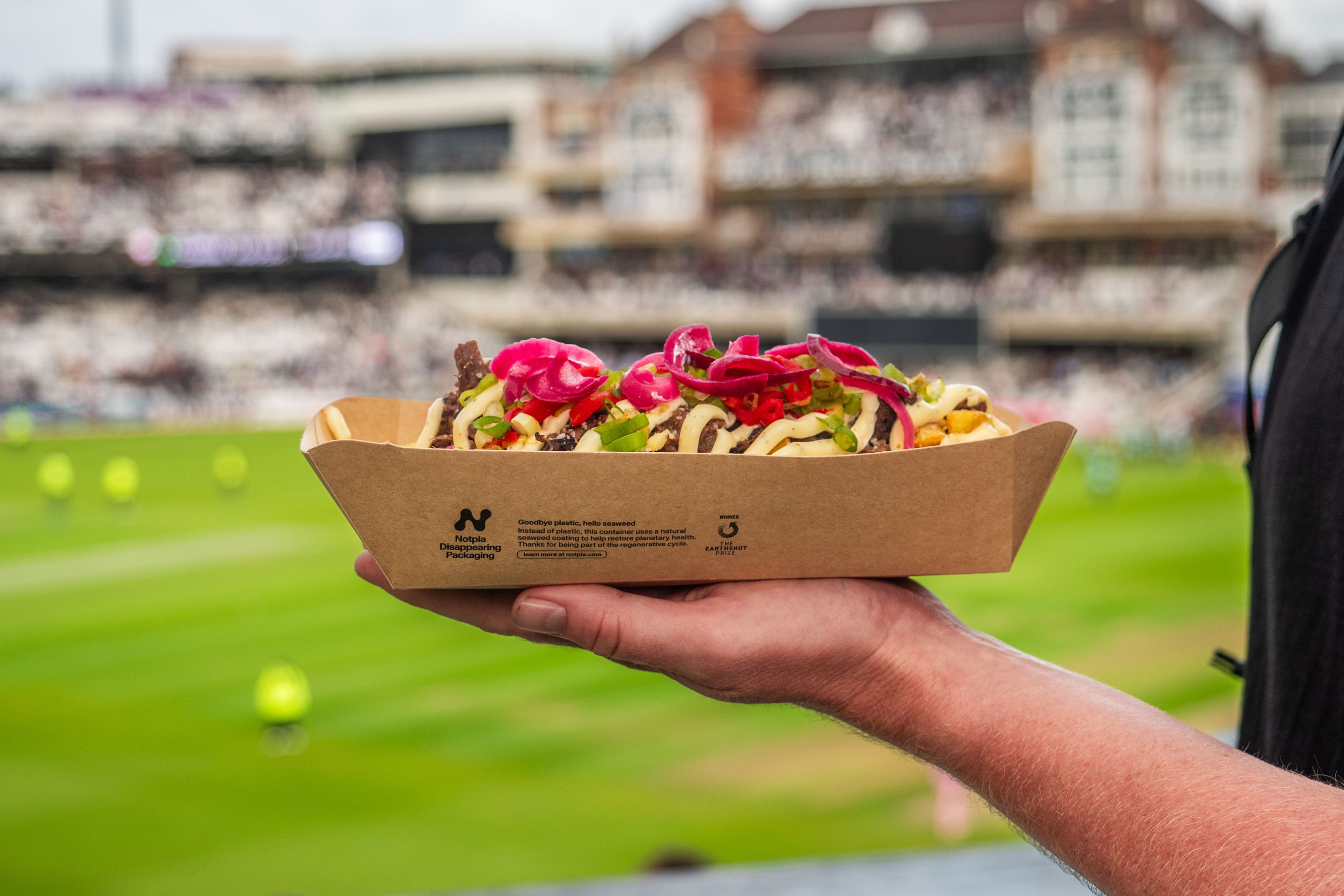 Notpla Stadium Range: building sustainable packaging into the big-game experience, at scale with Levy.
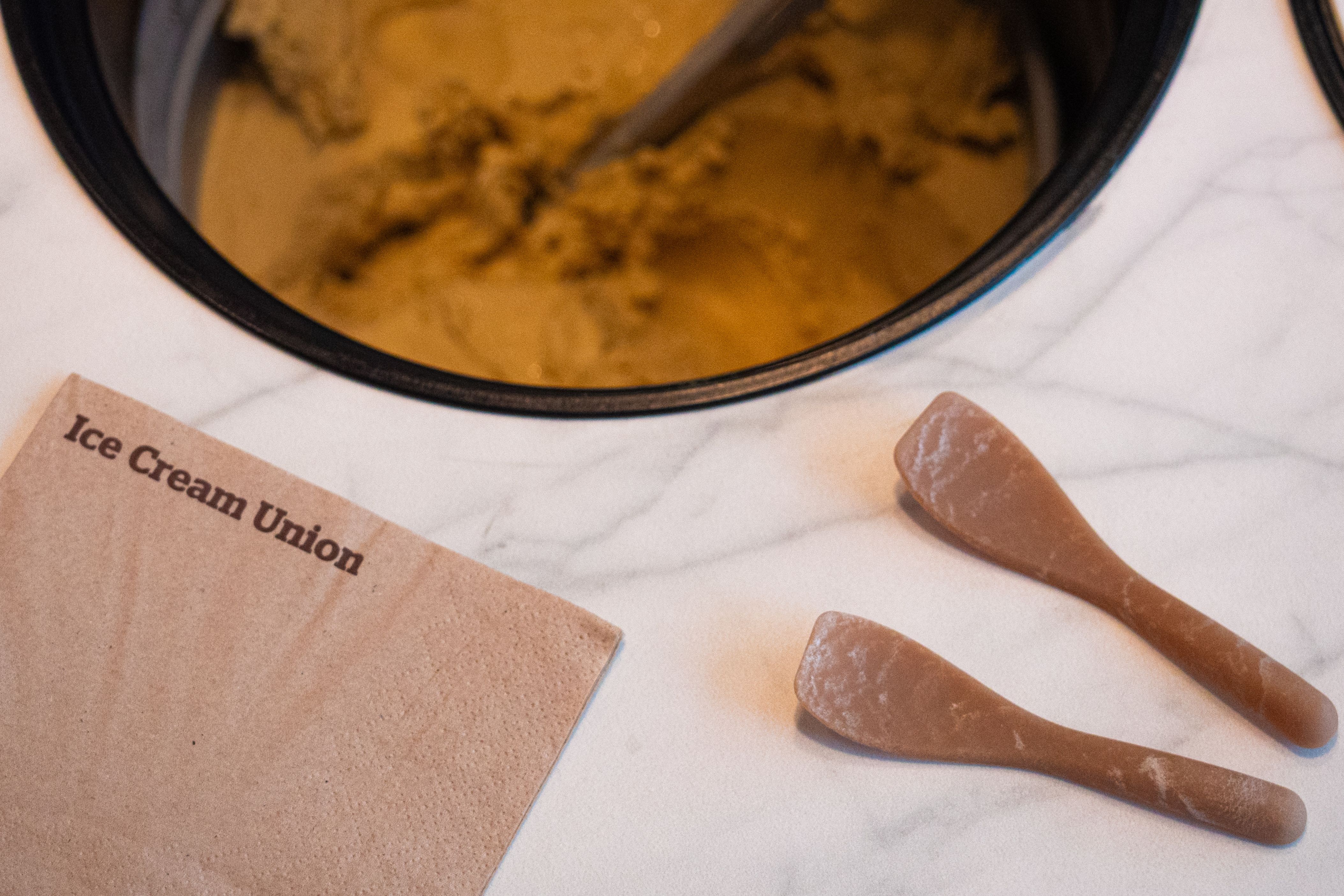 Why premium ice cream brands are switching to plastic-free spoons: Lessons from Ice Cream Union