
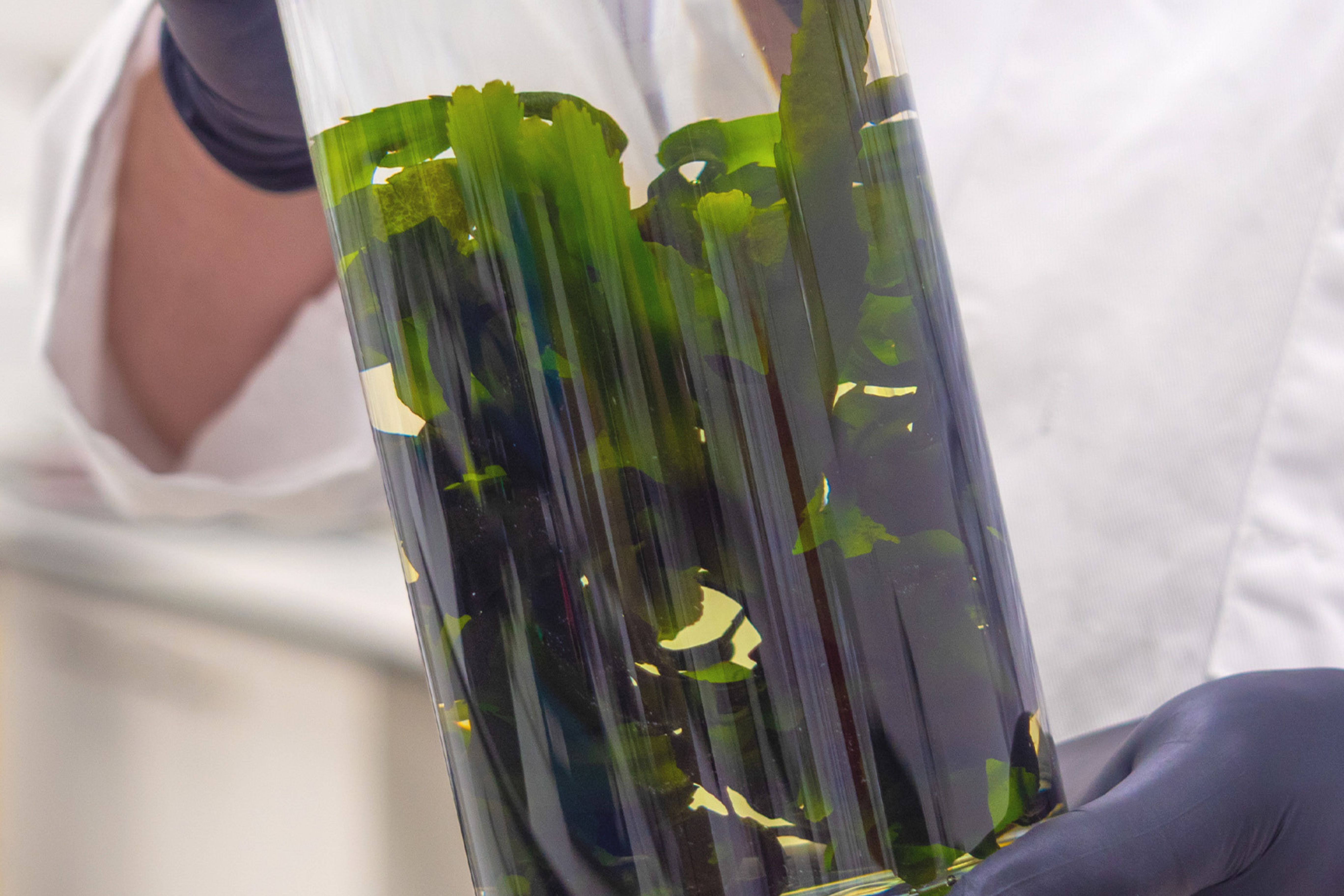
By Ayla, Seaweed Expert at Notpla
Seaweed is one of those things most of us recognise, but very few of us really understand. It washes up on beaches, wraps around sushi, and quietly exists all around us, including beneath the surface of our oceans. But behind that familiarity lies something far more complex.
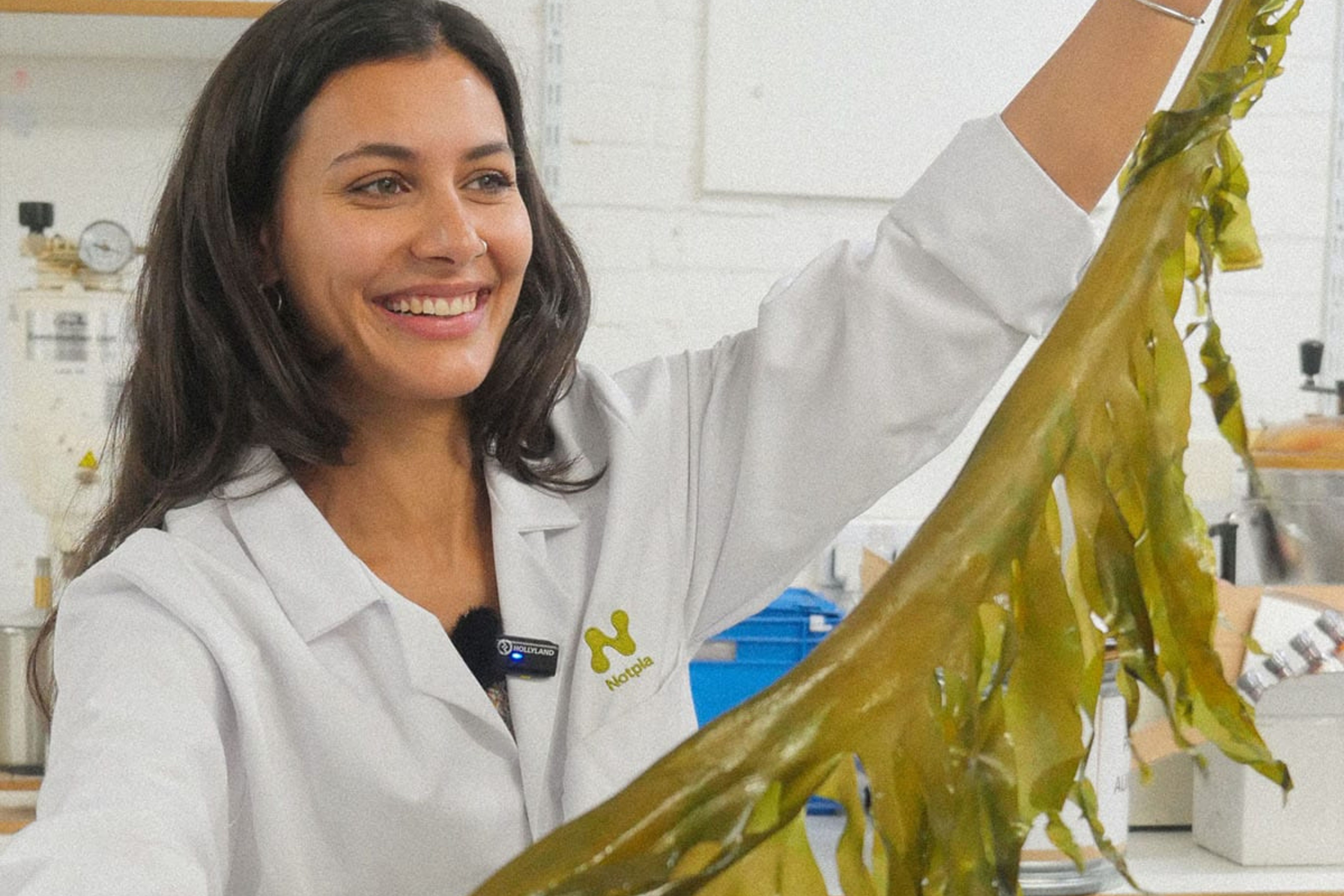
Scientists have identified more than 12,000 distinct species so far, and that number continues to grow as we continue to learn. But the number itself is only part of the story. What’s interesting is just how different these species are from one another. In fact, some seaweeds are more biologically different than a mushroom is from a bear, a memorable comparison made by Vincent Doumeizel in his seminal book ‘The Seaweed Revolution’, which is recommended reading for those of you who want to delve deeper into the world of seaweed.
To understand the scale of seaweed diversity, it helps to first understand what seaweed actually is.
Seaweed isn’t technically a plant. It’s a form of marine algae that has existed for over 1.6 billion years - long before plants appeared on land. Unlike crops grown on land, seaweed doesn’t need soil or fresh water drawing what it needs from its surrounding marine environment.
This is part of what makes seaweed so unique - and why we see it as such a powerful feedstock at Notpla.
There are currently over 12,000 known species of seaweed, but scientists believe many more remain undiscovered.
Seaweed is typically grouped into three main categories based on their genetics and biochemistry.
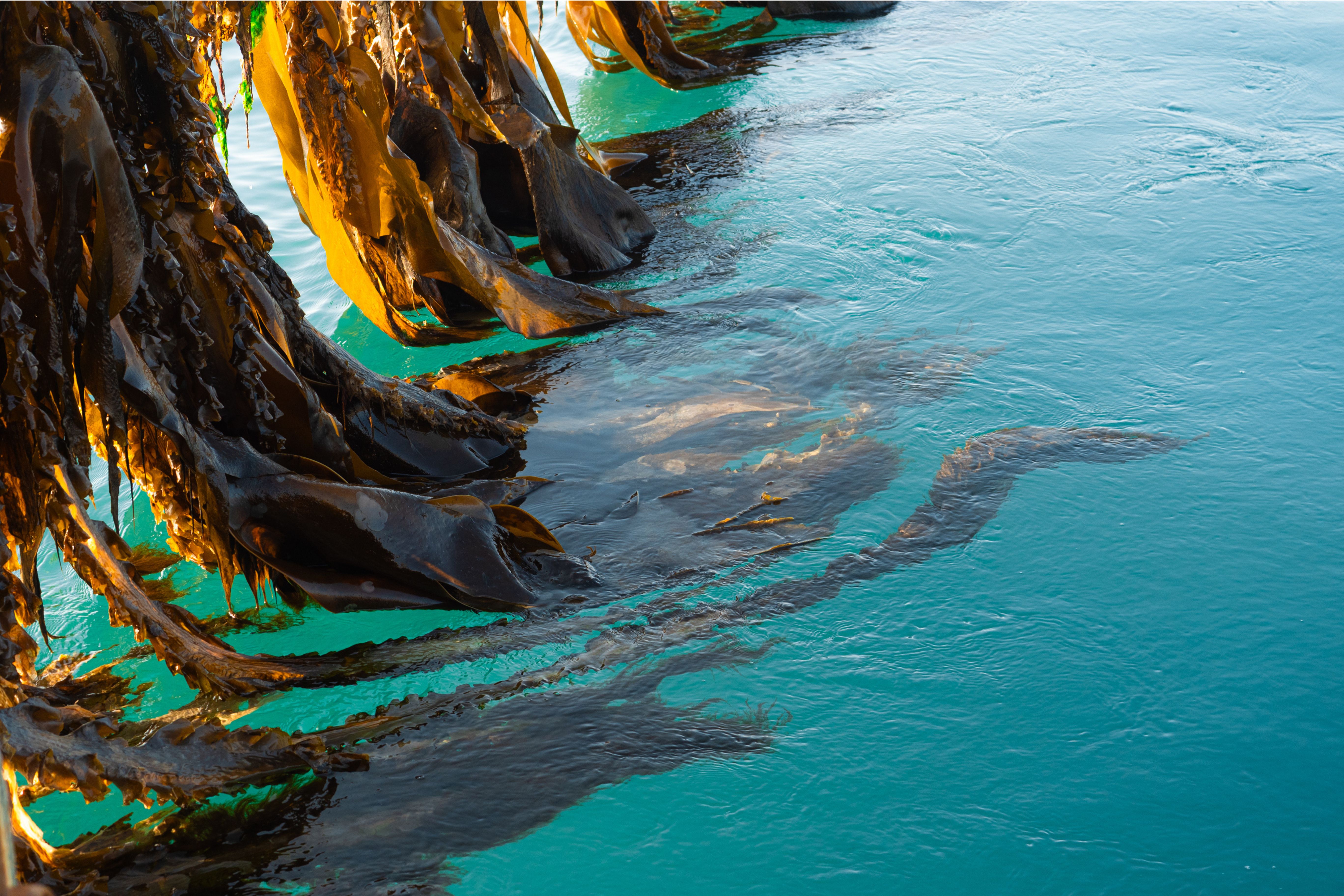
Brown seaweeds are often the most recognisable. They include kelps which can be found in forests - vast underwater ecosystems that support marine life and absorb carbon dioxide. Some species grow incredibly quickly, with giant kelp reaching up to 50 centimetres per day.
What people might not know about brown seaweeds is that they are very widely used. For example, in anti-reflux agents such as Gaviscon. From a materials perspective, brown seaweed is particularly interesting because of its unique biochemistry and structure. It’s one of the key inputs we use when developing natural alternatives to plastic.
Red seaweed is perhaps less known but is deeply embedded in everyday life. It’s used extensively in foods and biotechnology in a common form known as Agar. Its value lies in its ability to form gels and stabilising compounds, which makes it incredibly versatile across industries. In many ways, red seaweed has been supporting modern materials and food systems long before people realised it and even long before Notpla started using it.
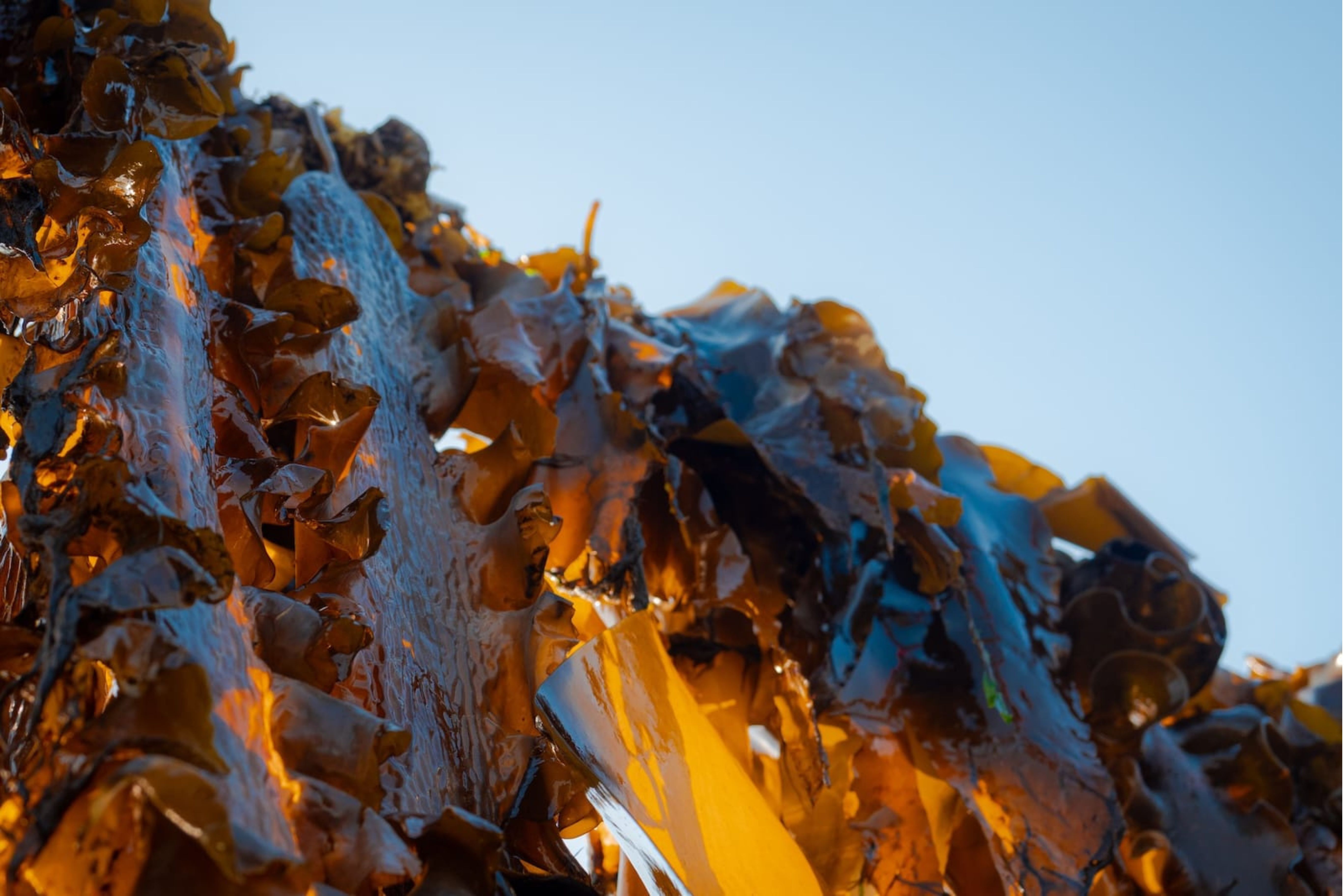
Green seaweed is the closest relative and ancestor to land plants. It’s often found in shallow coastal waters, where it forms bright green sheets or clusters.
While it’s less commonly used in industrial applications, it still plays an important role in marine ecosystems and offers insight into how plant life evolved.
Seaweed isn’t just one species -it’s an entire category of organisms.
Different species have different properties, due to their adaptation and evolution to very different ecosystems around the world. Some are strong and fibrous, others are soft and flexible. Some can form films, while others create gels. This diversity is what allows seaweed to be used across such a wide range of applications, from food and agriculture to material innovation.
At Notpla, this is exactly what we’re interested in. Our work focuses on understanding these natural properties and using them to develop materials that balance performance, cost, and impact- both social and environmental.
Beyond its versatility, seaweed offers something increasingly rare: when produced responsibly, it is a biomass that can do good by replacing nasty crude oil derived products, while at the same time doing good for marine ecosystems and coastal communities as it grows. In many ways, it represents a different model of production -one that impacts positively from start of life to end of life.
Seaweed isn’t just a number, it’s a vast, still-unfolding world of natural innovation. And from my perspective, we’re only just beginning to understand what it can do.
.jpg) The end of plastic versus paper: Why natural materials belong in modern manufacturing
The end of plastic versus paper: Why natural materials belong in modern manufacturing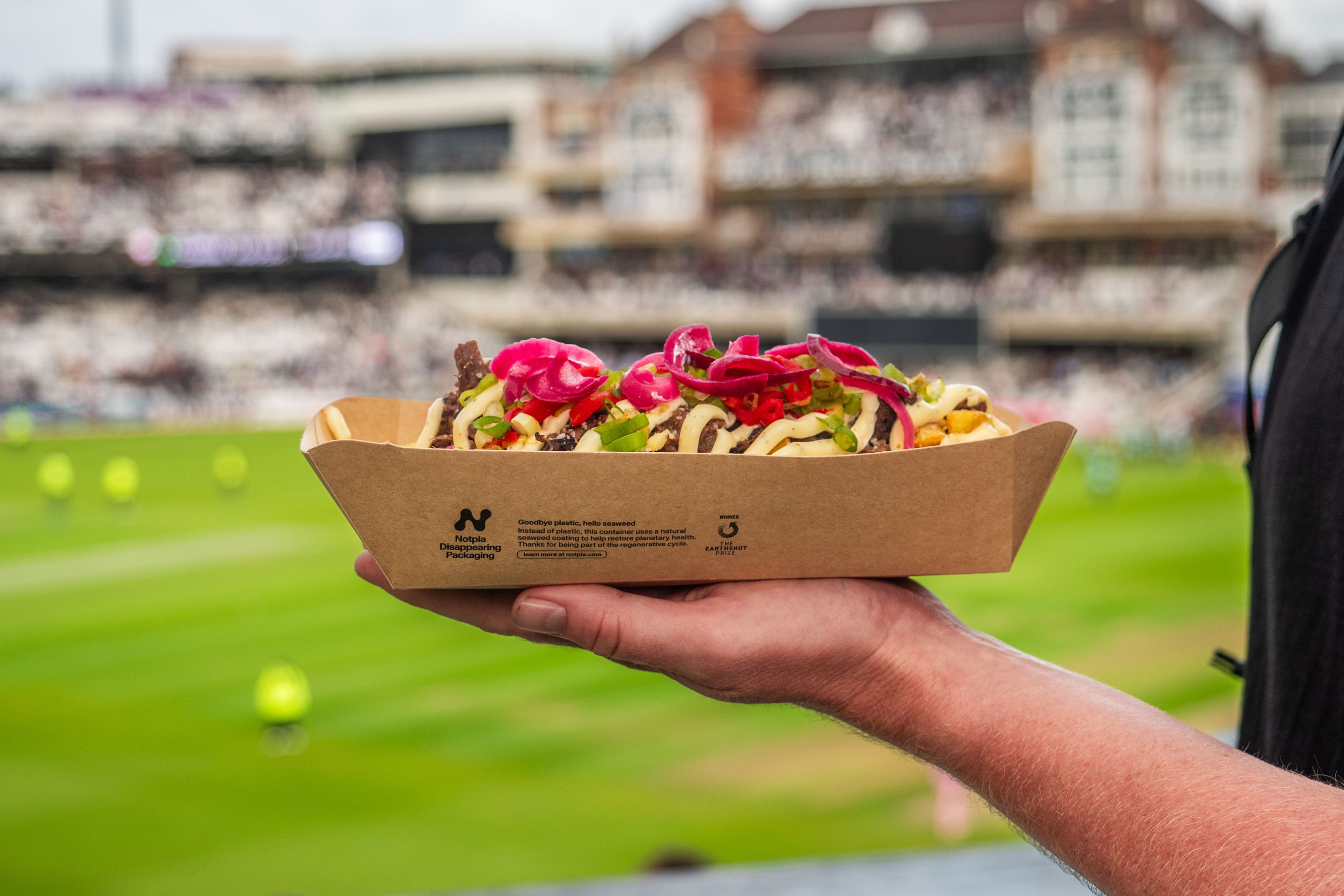 Notpla Stadium Range: building sustainable packaging into the big-game experience, at scale with Levy.
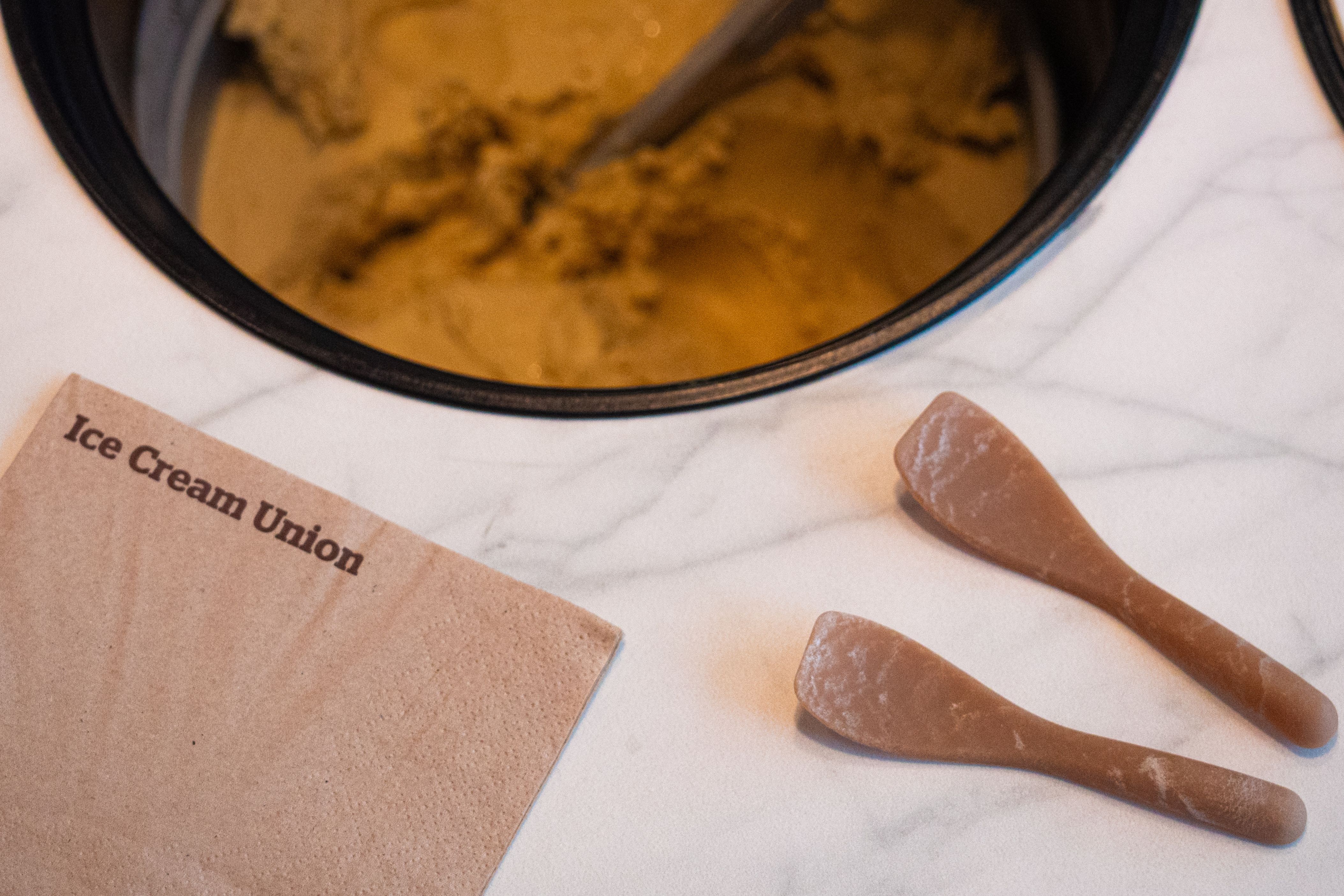 Why premium ice cream brands are switching to plastic-free spoons: Lessons from Ice Cream Union