
.jpg)
When thousands of people arrive at Dreamland Margate, service has to be fast, consistent and seamless.
From street food traders to large-scale live events hosting up to 7,500 people, everything is designed to keep things moving. But behind the scenes, there’s a growing focus shaping how the site operates: reducing single-use plastic, without slowing anything down.
For venues, festivals and street food operators, this is no longer a future goal. It’s an operational challenge happening now.
“Dreamland has been going for over 100 years now, the quintessential entertainment destination by the seaside.” - James Penfold, Commercial Director, Dreamland
With hundreds of thousands of visitors each year, even small packaging decisions quickly scale.
Unlike some single-operator sites, Dreamland’s food offering is powered by a network of independent vendors. Which can make change more complex.
“I think the biggest challenge is that we’re working with a lot of different vendors, so it’s getting everyone to buy in.”
At this scale, alignment doesn’t happen overnight.
“It’s an educational piece. When you’ve got 7,500 people twice a week, it all starts to add up.”
But once that shift begins, it moves quickly.
Sustainable food packaging needs to do two things: perform under pressure during service, and reduce environmental impact after use.
At Dreamland, that’s being tested every day.
Since introducing Notpla packaging across the site, the impact has been immediate.
“We’ve used over 22,000 pieces of Notpla packaging.”
That’s 22,000 items replaced at source, in a high-volume, fast-paced environment where performance matters.
And critically, it works within the realities of street food service.
“It’s for quick serve, for when people are eating quickly. It really suits what we do here.” - Danny, Co-Founder & Director, DAS Hospitality
For vendors, the shift goes beyond swapping packaging. It’s changing how they think about their role.
“Our approach is to try and be as sustainable as possible… we’re trying to support that change by utilising it as much as we can.” - Danny, Co-Founder & Director, DAS Hospitality
And that visibility matters.
“We’re in a position where we can make it visual to the consumer. We need to play a part in that.”
What starts as a trial quickly becomes something more.
Dreamland sits within a wider community that’s already moving in this direction.
“Margate is positioned quite highly with sustainability at the heart.”
In coastal locations like Margate, the connection between material and environment becomes more visible.
“The seaweed element and our proximity to the sea, the synergy is just perfect.”
From local brands to grassroots initiatives, there’s a shared momentum and Dreamland plays a visible role within it.
“When we can do things like this and talk about what we’re doing, it makes people realise that we are doing our bit.”
This is what sustainable food packaging looks like in practice. Multiple vendors. Thousands of people. Constant pressure to keep things moving.
And packaging that has to keep up with all of it. At Dreamland, it does.
Designed for fast-moving food service. Built to perform in real environments.
Explore the full range.
.jpg) The end of plastic versus paper: Why natural materials belong in modern manufacturing
The end of plastic versus paper: Why natural materials belong in modern manufacturing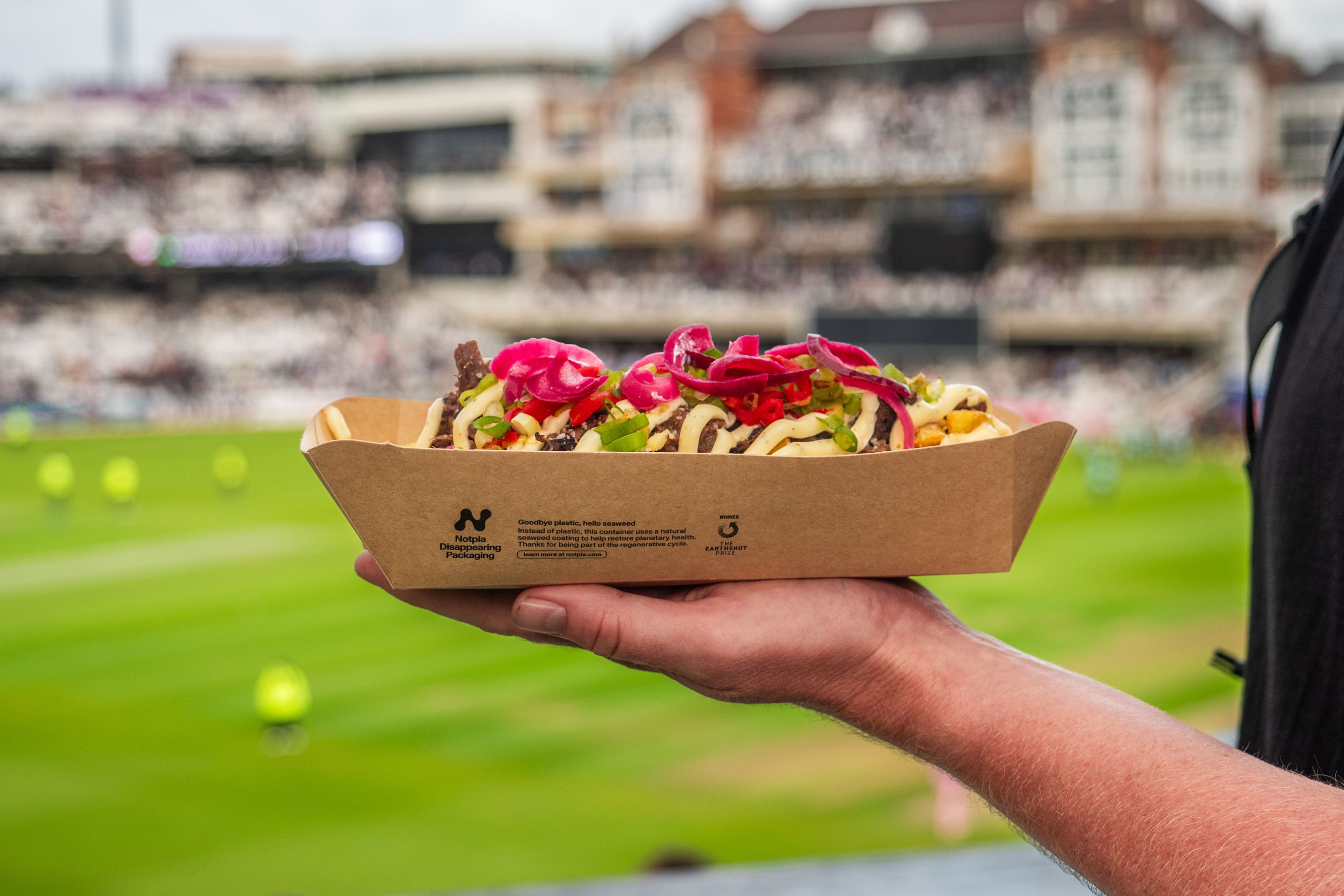 Notpla Stadium Range: building sustainable packaging into the big-game experience, at scale with Levy.
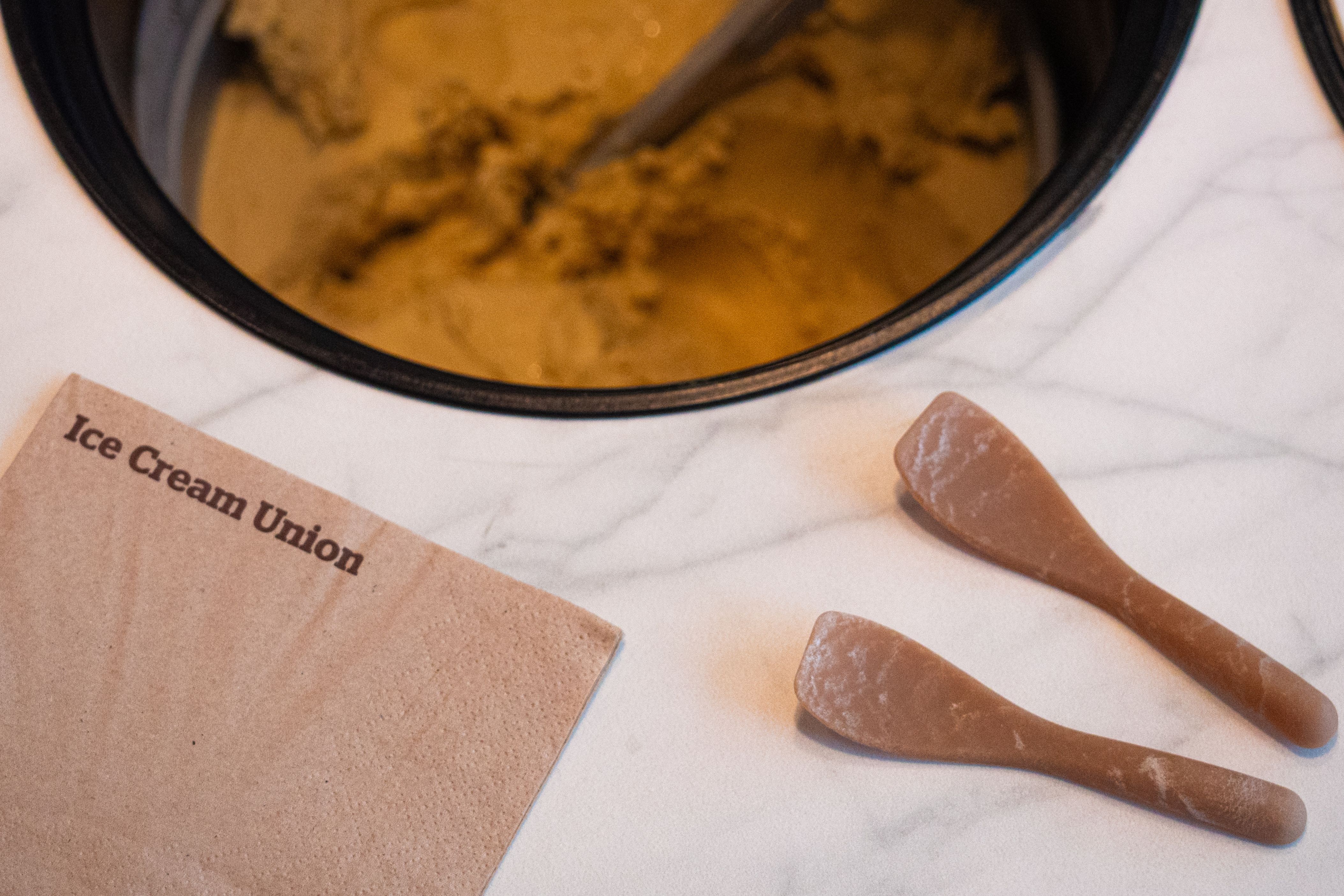 Why premium ice cream brands are switching to plastic-free spoons: Lessons from Ice Cream Union