
.jpg)
On Monday 16 March, a room full of scientists, doctors, policymakers and innovators came together around one shared question:
What do we do next?
For years, the conversation around plastic has focused on pollution in oceans, rivers and the natural environment. But that frame is shifting.
With the release of A Plastic Detox on Netflix, microplastics and their potential impact on human health have moved firmly into the mainstream. What was once treated primarily as an environmental issue is now landing much closer to home.
Our health.
As Paul van Zyl, Founder of the Conduit, said in his opening remarks:
“We know that plastics are everywhere, but I don’t think we have yet, as a society, fully acknowledged the nature and extent of that challenge.”
That idea, moving from knowledge to acknowledgement, set the tone for the evening.
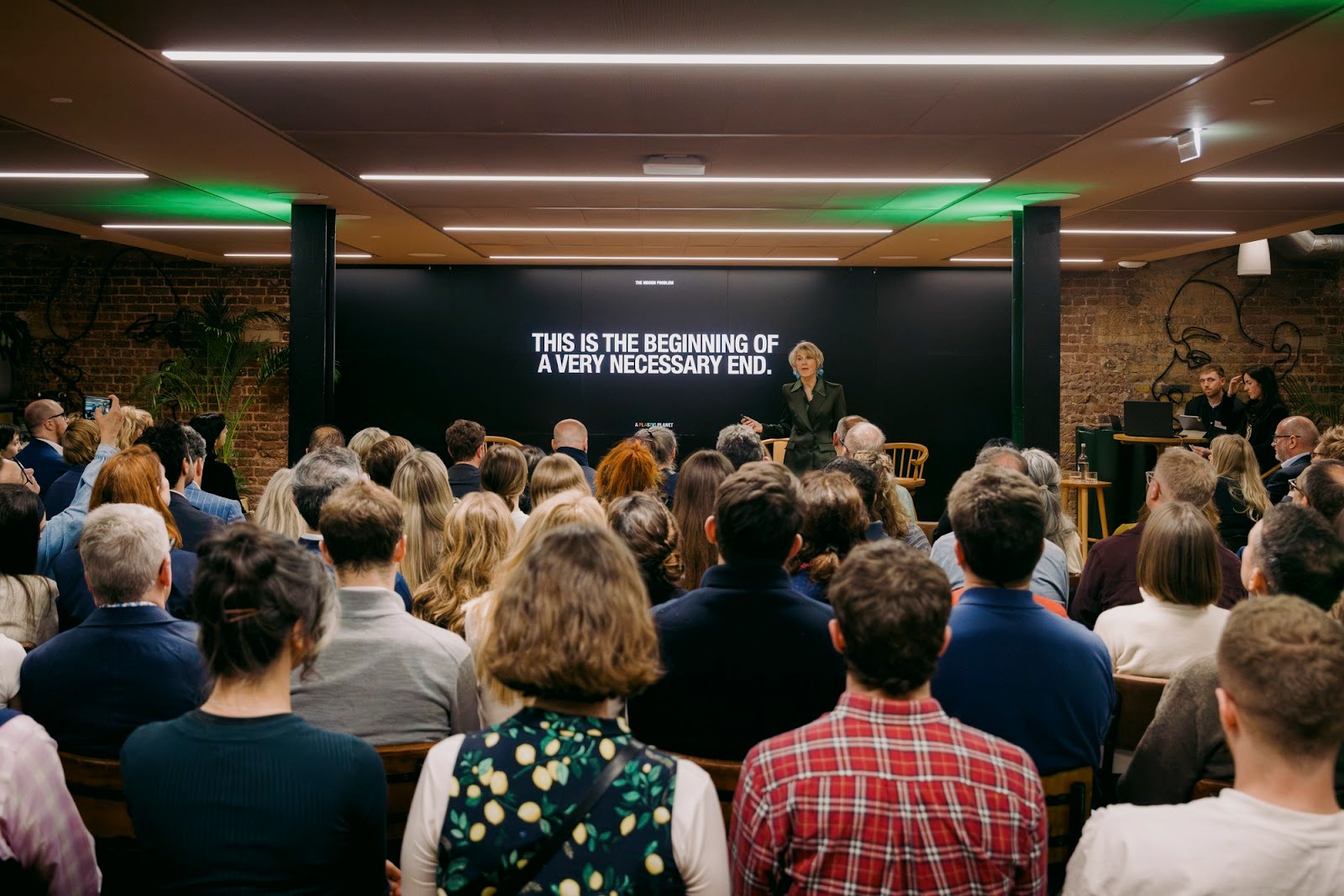
One of the central questions of the evening was how microplastics move from the world around us into the human body.
Not through abstract systems alone, but through everyday exposure: clothing, chemicals, food packaging, and even something as routine as a takeaway coffee.
As Sian Sutherland, Co-Founder of A Plastic Planet put it:
“The wake-up is that the pollution is inside us.”
That is what made this discussion feel different. The issue is no longer only about waste or environmental impact. It is increasingly about exposure, and about the materials we interact with every day.
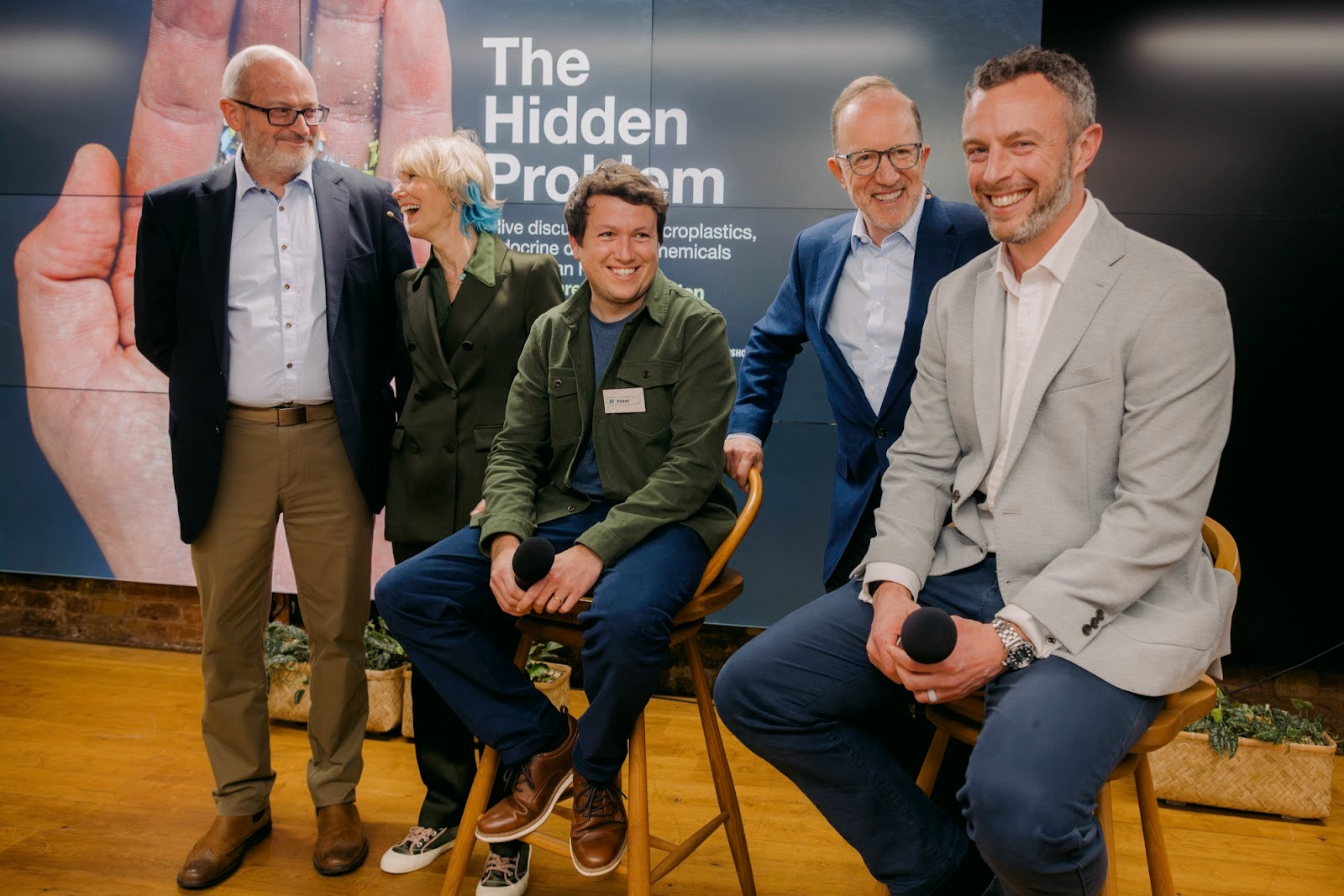
The evening opened with a discussion hosted by Sian Sutherland, featuring Dr Jane Muncke, Dr Leonardo Trasande and Professor Paul Fowler.
Together, they explored what researchers currently understand about plastic-associated chemicals in the body, how exposure happens across everyday systems, and why the conversation is increasingly moving from environmental concern to human health.
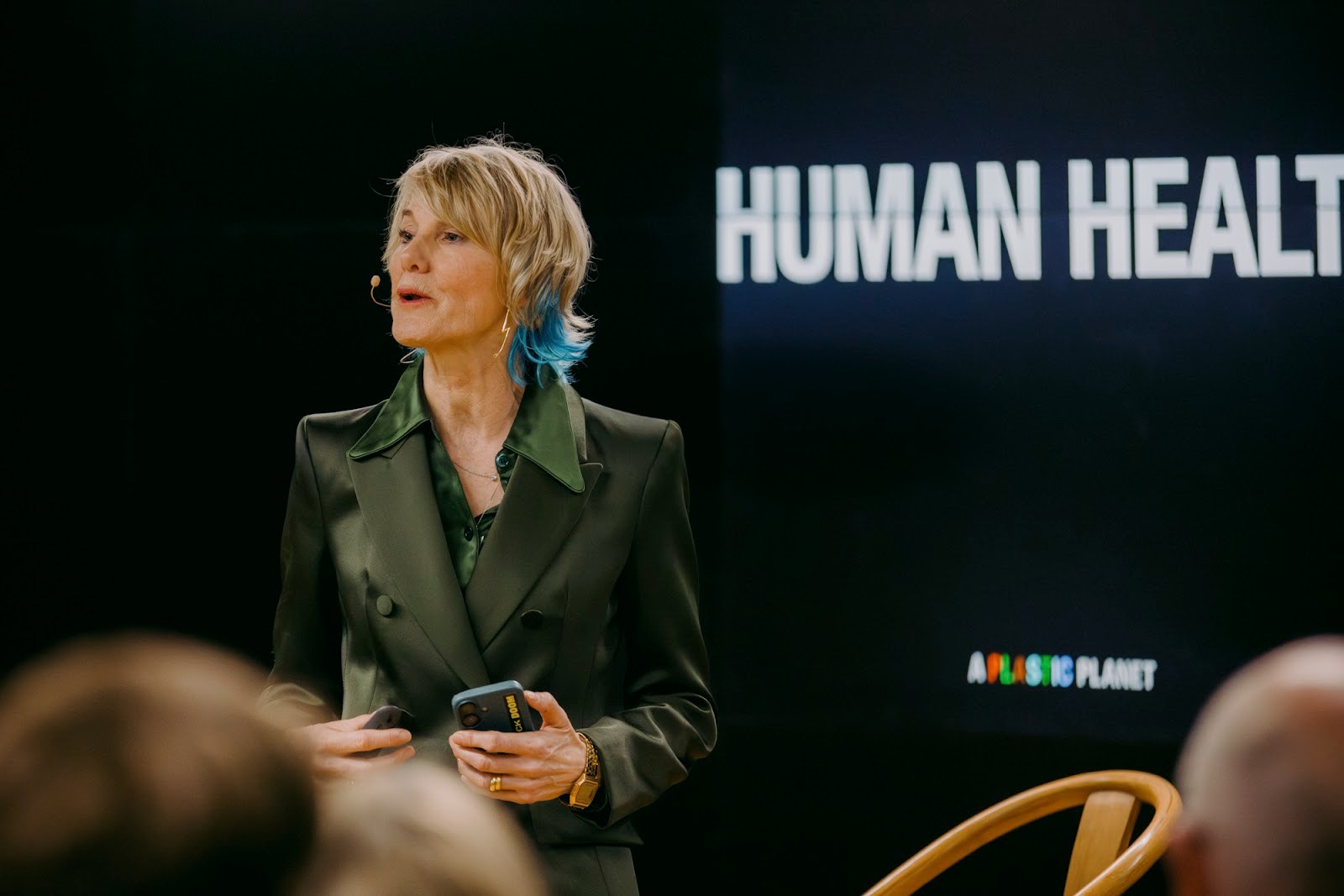
Dr Jane Muncke offered one of the clearest explanations of the problem:
“Plastics are not inert materials, they can pass their constituents into their surroundings.”
She also pointed to the scale of that exposure, noting:
“We know there are around 4,000 chemicals known to leach from packaging, into food.”
For many in the room, that was a defining moment. The issue is not hypothetical. It is already part of the systems that surround food, drink and daily life.
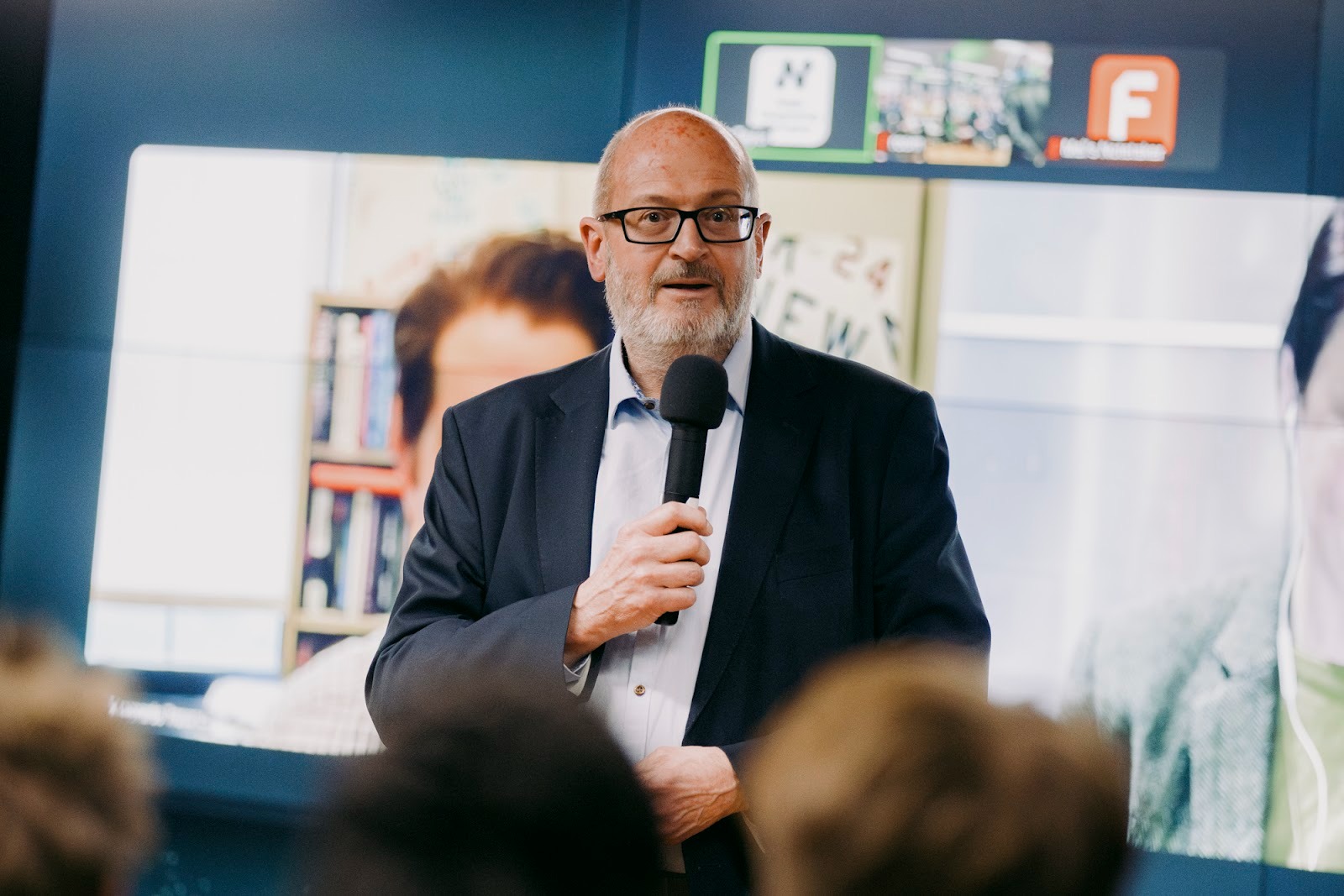
Professor Paul Fowler brought that reality even closer:
“It would be hard to find someone who does not have at least some detectable levels of some of these chemicals.”
The science is still evolving, but the direction of travel is becoming harder to ignore.
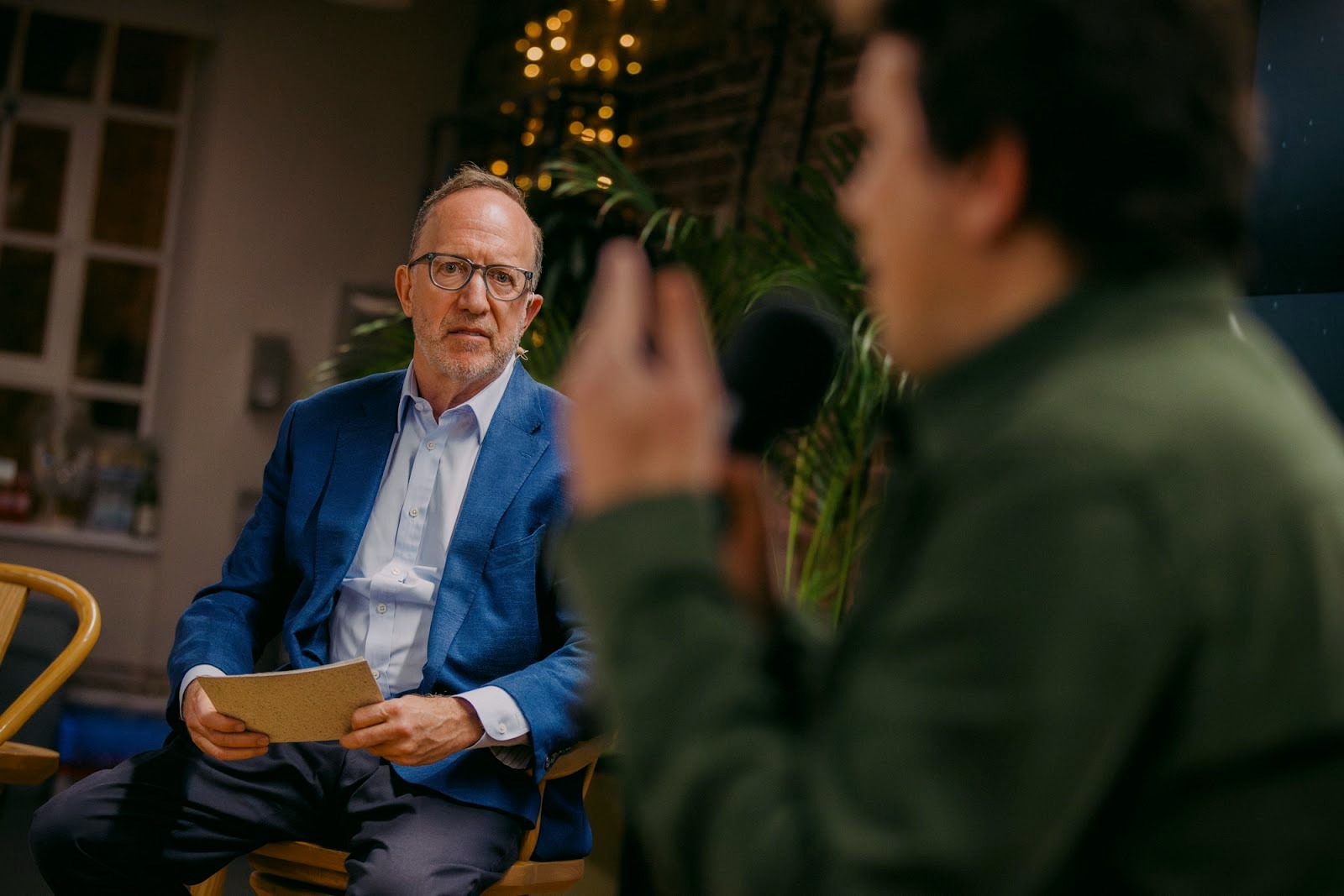
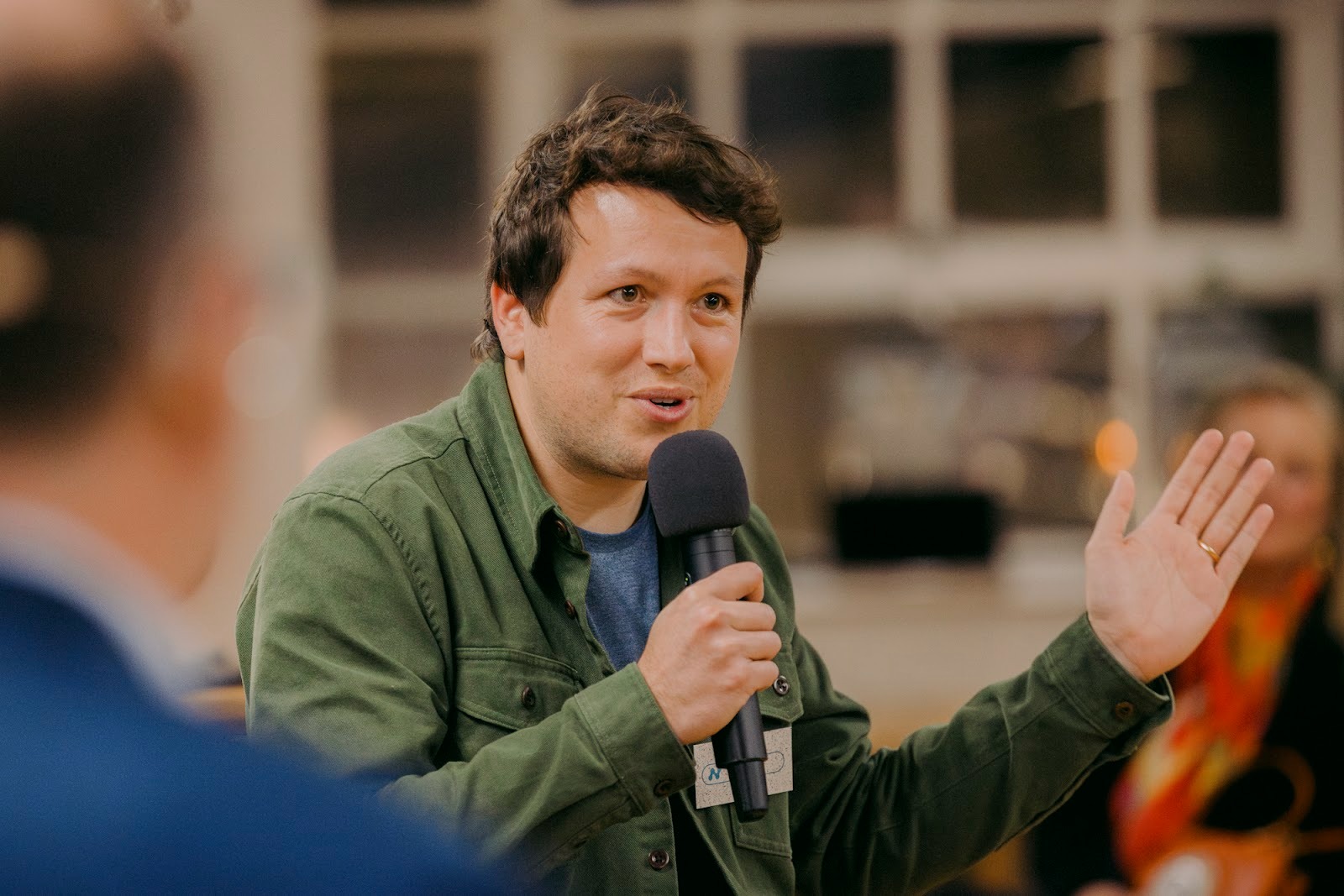
The second panel turned to solutions. Hosted by David Fein, it brought together Pierre Paslier, Co-Founder of Notpla, and Anthony Kolanko, CRO of Matter.
The discussion moved from understanding the problem to asking what action looks like in practice, from material innovation to filtration technologies and system-level change.
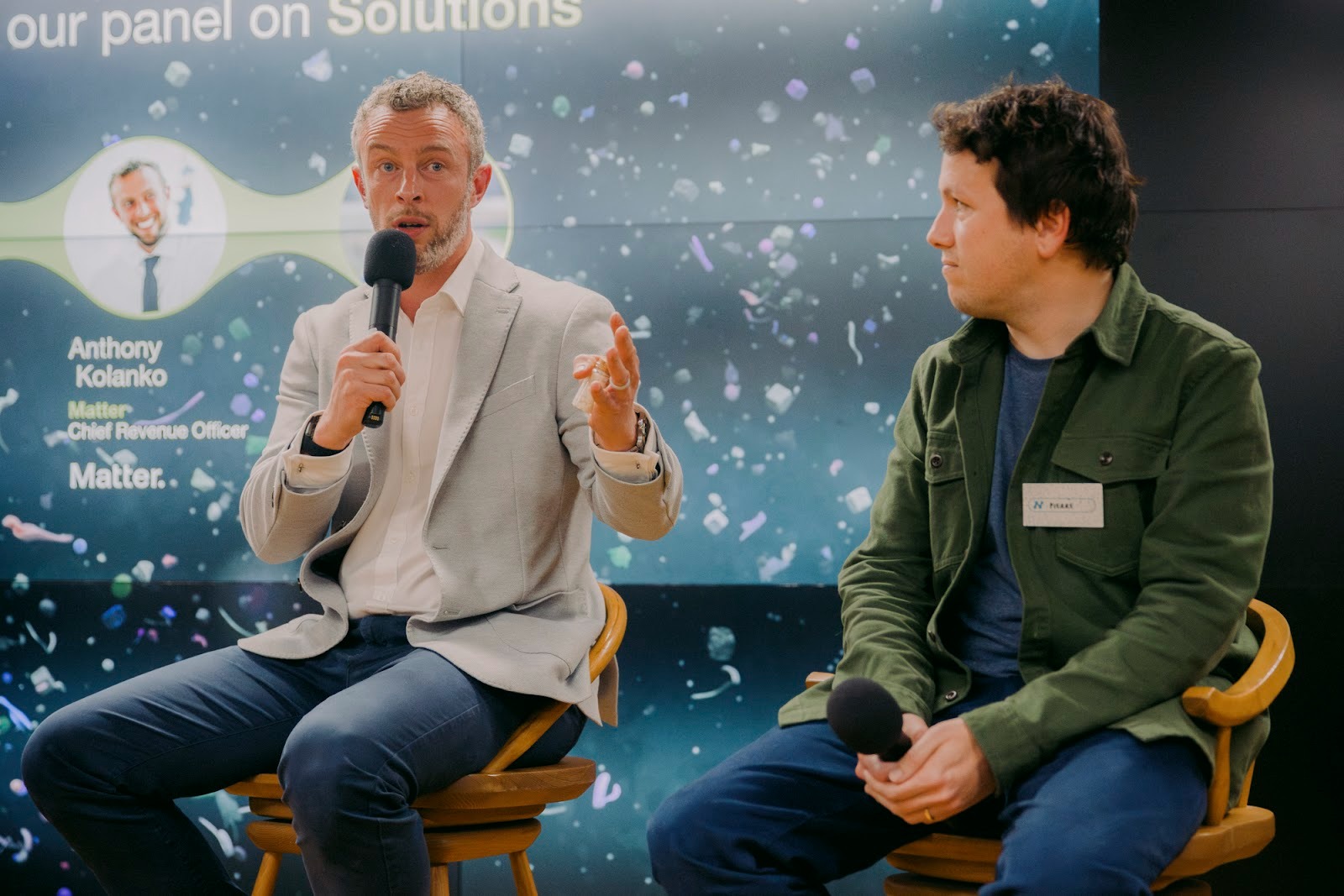
What came through clearly is that solutions already exist. The challenge now is scale.
As David Fine put it:
“The innovators exist. The solutions exist. But they need support.”
Reflecting on the documentary, Pierre spoke about how much more immediate this conversation now feels. For many people, this is no longer a distant story about pollution elsewhere. It is a deeply personal issue, tied to questions of health, exposure and future generations.
At Notpla, this is where we focus. Rather than redesigning plastic, we believe the opportunity starts with rethinking materials altogether.
Inspired by nature, we design packaging using materials like seaweed, materials that perform during use, but behave very differently after disposal.
During the discussion, Pierre explained that Notpla’s approach is rooted in working with natural building blocks, rather than relying on layers of synthetic chemistry. That matters because the materials we choose at the start shape the risks and impacts that follow.
This changes the question.
It is no longer just about how we manage plastic waste at the end. It is about why we're using materials that can create these problems in the first place.
This event felt like an important moment, but not an endpoint.
The conversation around microplastics and human health is only just beginning to take shape at a global level. As awareness grows, so does the responsibility to act.
As Sian Sutherland said:
“Human health finally will be the catalyst, that wakes us up.”
At Notpla, we are committed to continuing this work, creating space for dialogue, supporting the science, and accelerating material innovation.
Because the materials we design today will shape the systems we live with tomorrow.
Watch A Plastic Detox on Netflix and explore the issue further.
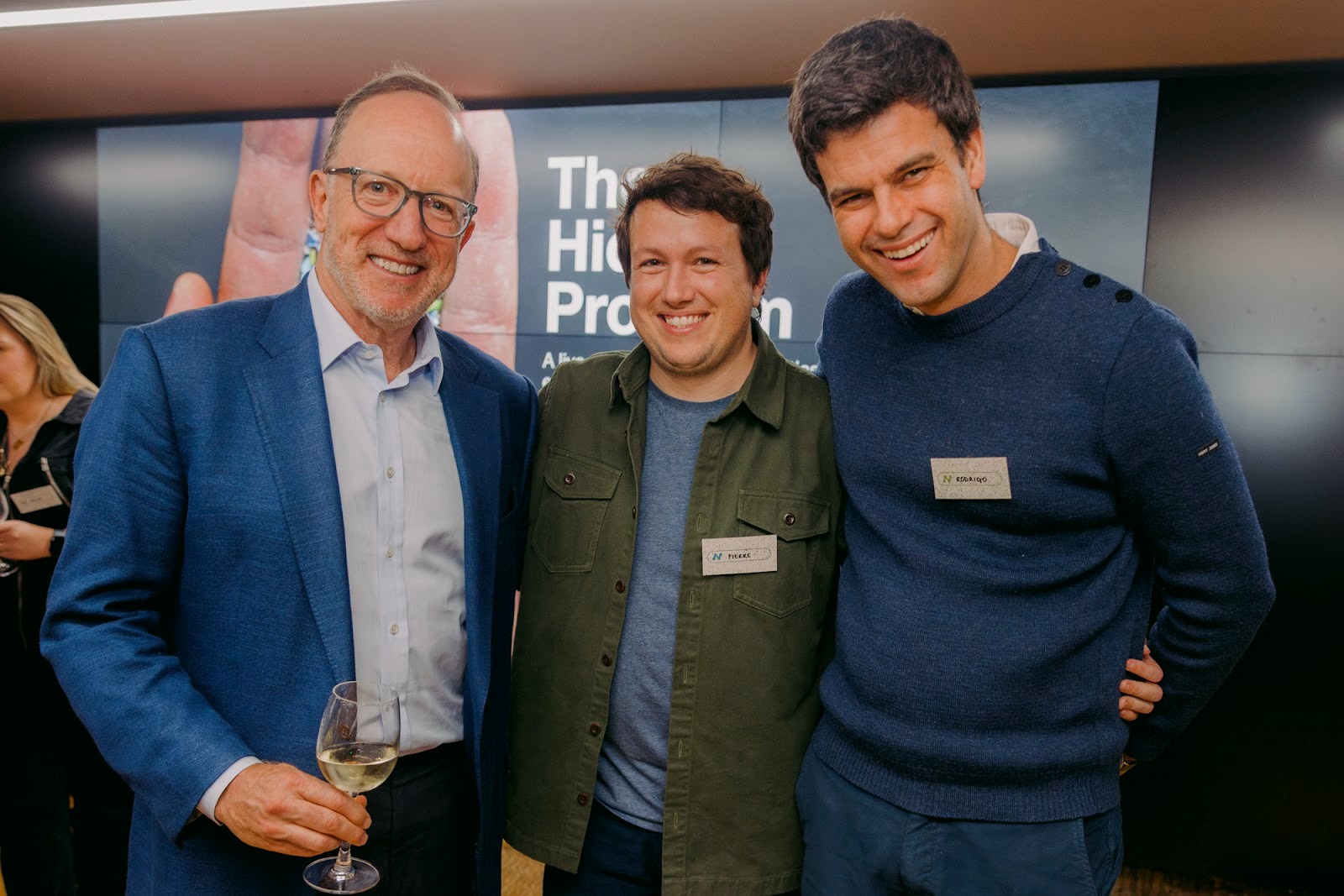
Hosted by Notpla × A Plastic Planet × The Earthshot Prize × Macaw Coffee
In collaboration with The Conduit Club
With contributions from leading voices across science, innovation and industry.
.jpg) The end of plastic versus paper: Why natural materials belong in modern manufacturing
The end of plastic versus paper: Why natural materials belong in modern manufacturing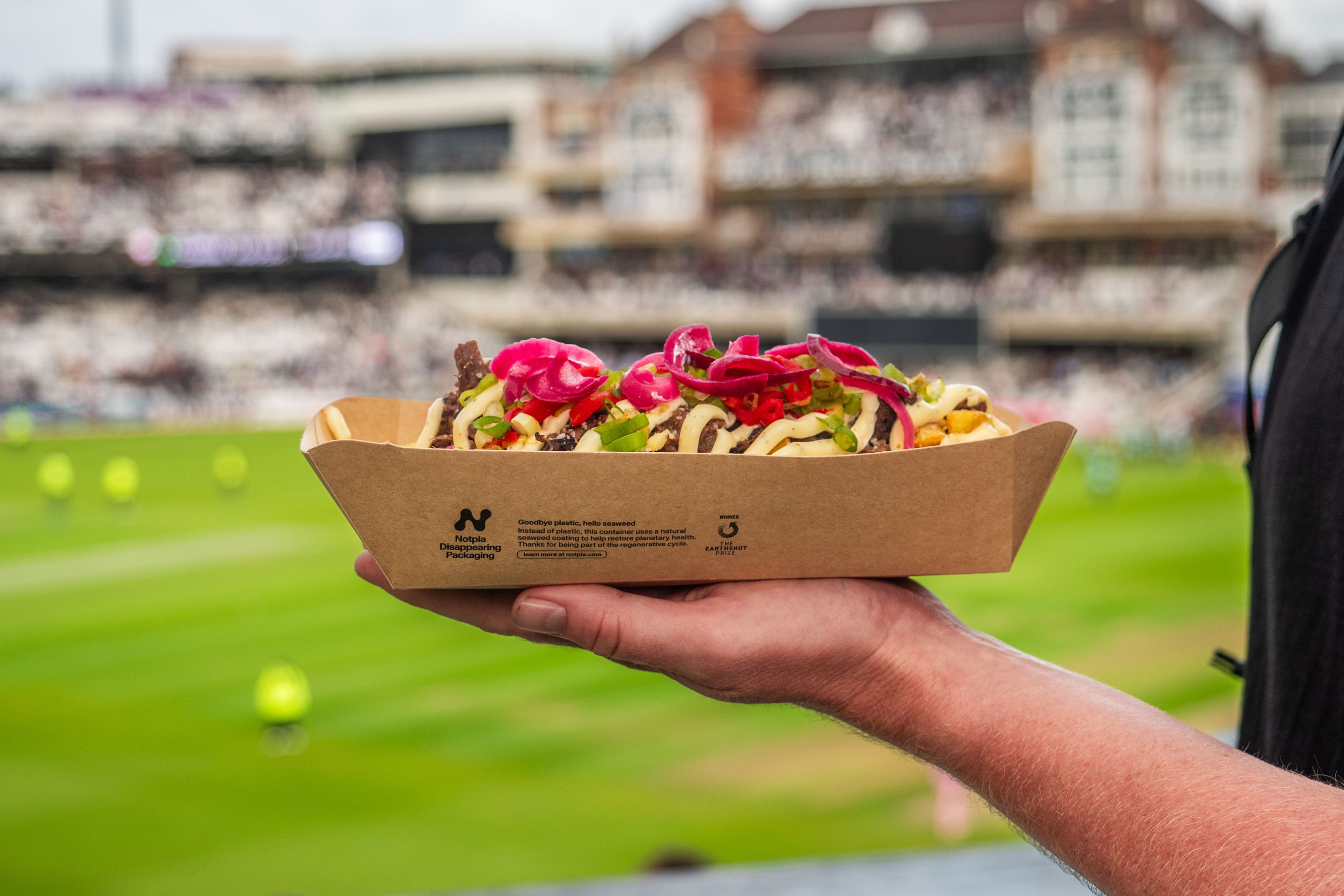 Notpla Stadium Range: building sustainable packaging into the big-game experience, at scale with Levy.
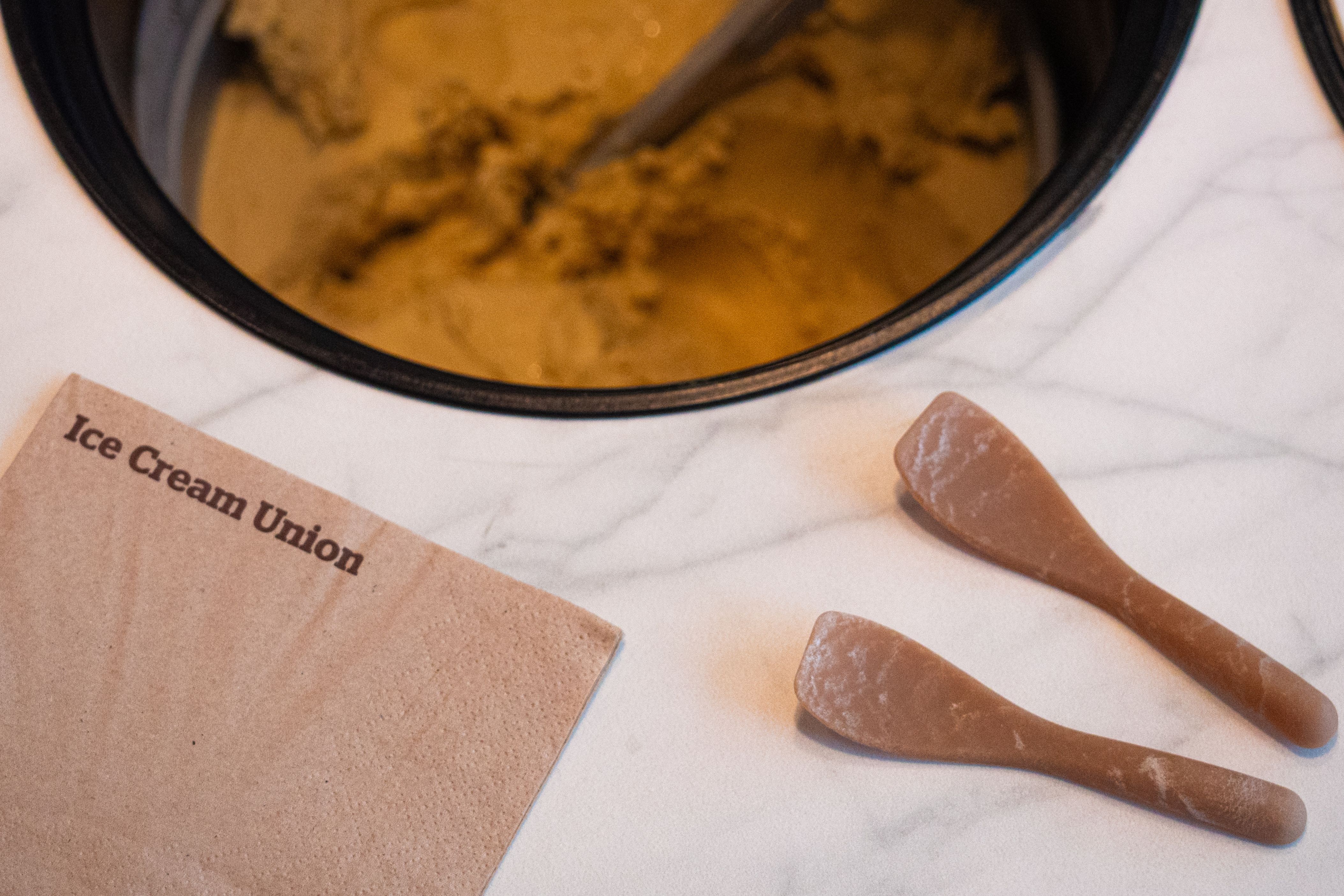 Why premium ice cream brands are switching to plastic-free spoons: Lessons from Ice Cream Union