

Reinventing the coffee cup without plastic

A Horizon Europe funded research programme focused on rethinking one of the world’s most overlooked single use products: the disposable coffee cup.
Notpla secures €4m Horizon Europe grant
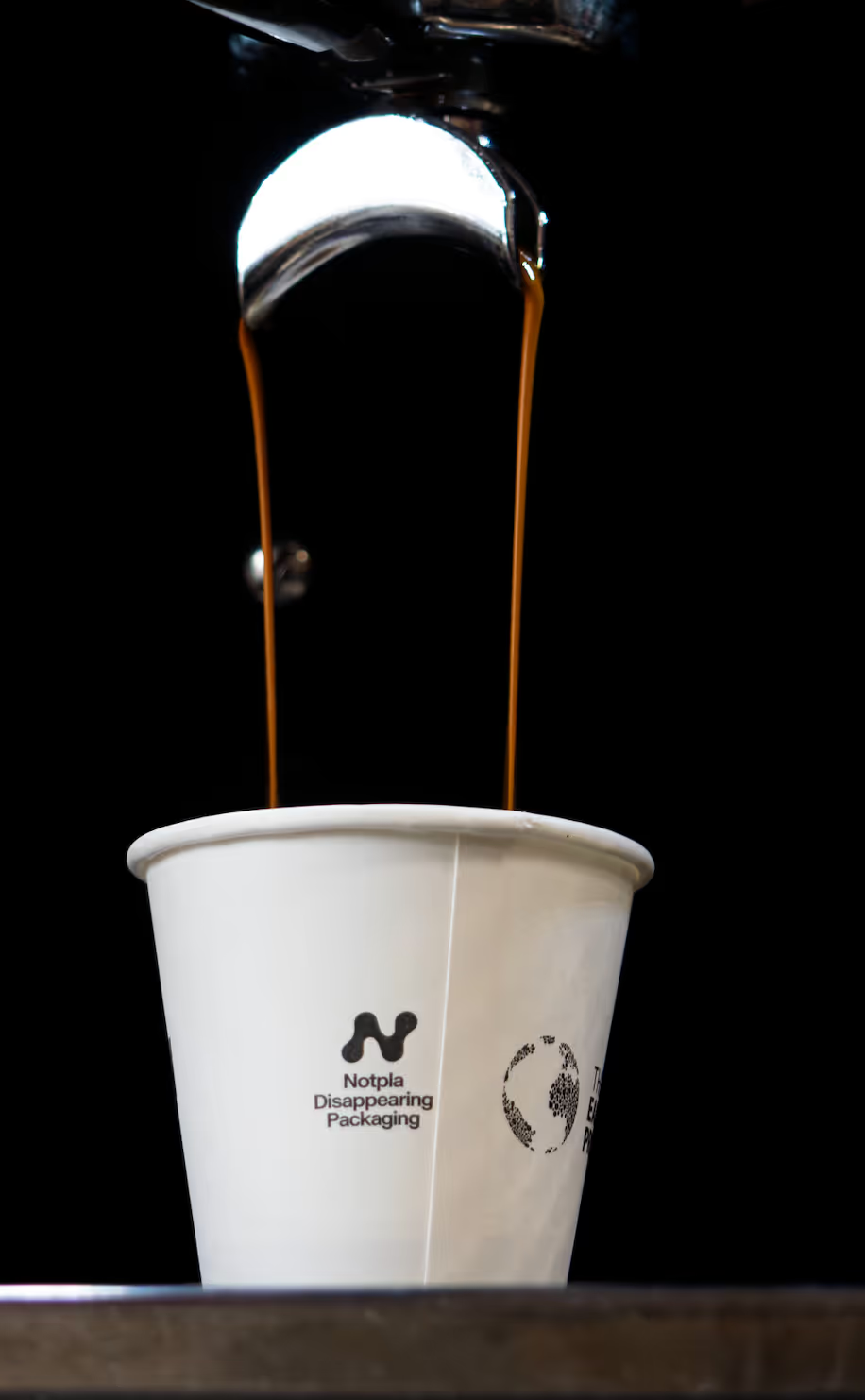
Every year, hundreds of billions of disposable coffee cups are used worldwide. Most look like paper, but are lined with plastic. This makes them difficult to recycle and a hidden source of microplastic pollution.
Notpla is leading a €4 million, three year Horizon Europe research and development project to tackle the coffee cup at its source. That means looking at the materials it is made from, how it performs in real life, and what happens at the end of its life.
This page explains why the coffee cup matters, what is wrong with today’s solutions, and how this project aims to change that.
The problem hiding in plain sight
Disposable coffee cups are often seen as a small convenience. In reality, they represent a large and persistent environmental challenge.
Up to 500 billion single use cups are used globally each year. Most are lined with plastic or bioplastics, making them extremely difficult to recycle. In practice, fewer than 1% are recycled, with the majority ending up in landfill, incineration, or the environment.
Hot drinks introduce another layer of concern. Studies have shown that plastic lined paper cups can release thousands of microplastic particles into beverages within minutes of use.
The issue is not just waste. It's a materials and design problem built into the cup itself.
A long term commitment through Horizon Europe
To address this challenge, Notpla has been awarded €4 million in funding from Horizon Europe to lead a three year research and innovation project.
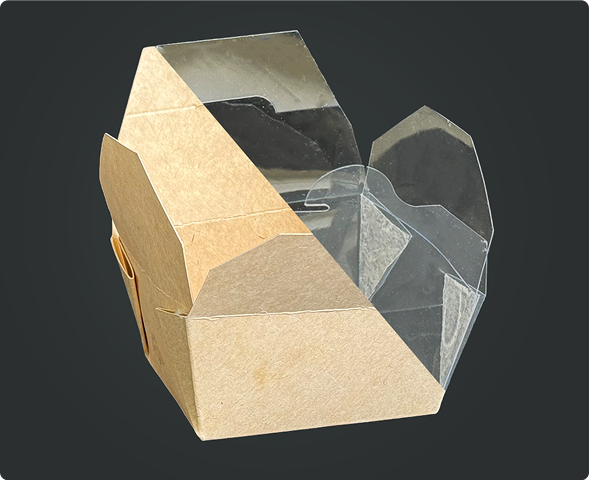
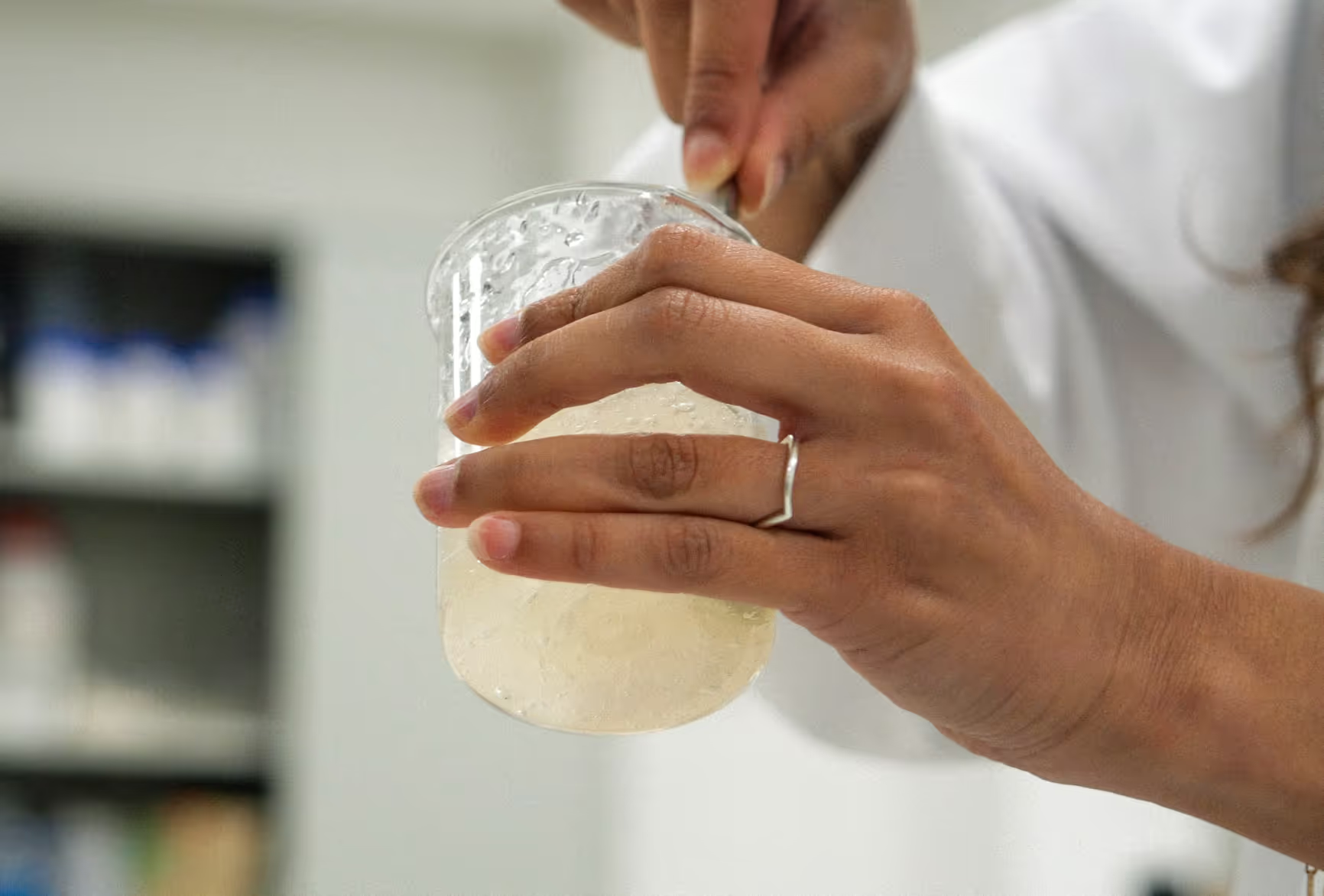
Working with 14 partners across Europe and Africa, the project focuses on developing a market ready coffee cup with a fully natural, home compostable coating. One that performs in real world foodservice environments without relying on plastic.
The work spans materials research, coating development, manufacturing, performance testing, and end of life assessment. The aim is a solution designed to function at scale.
Building on real world learning
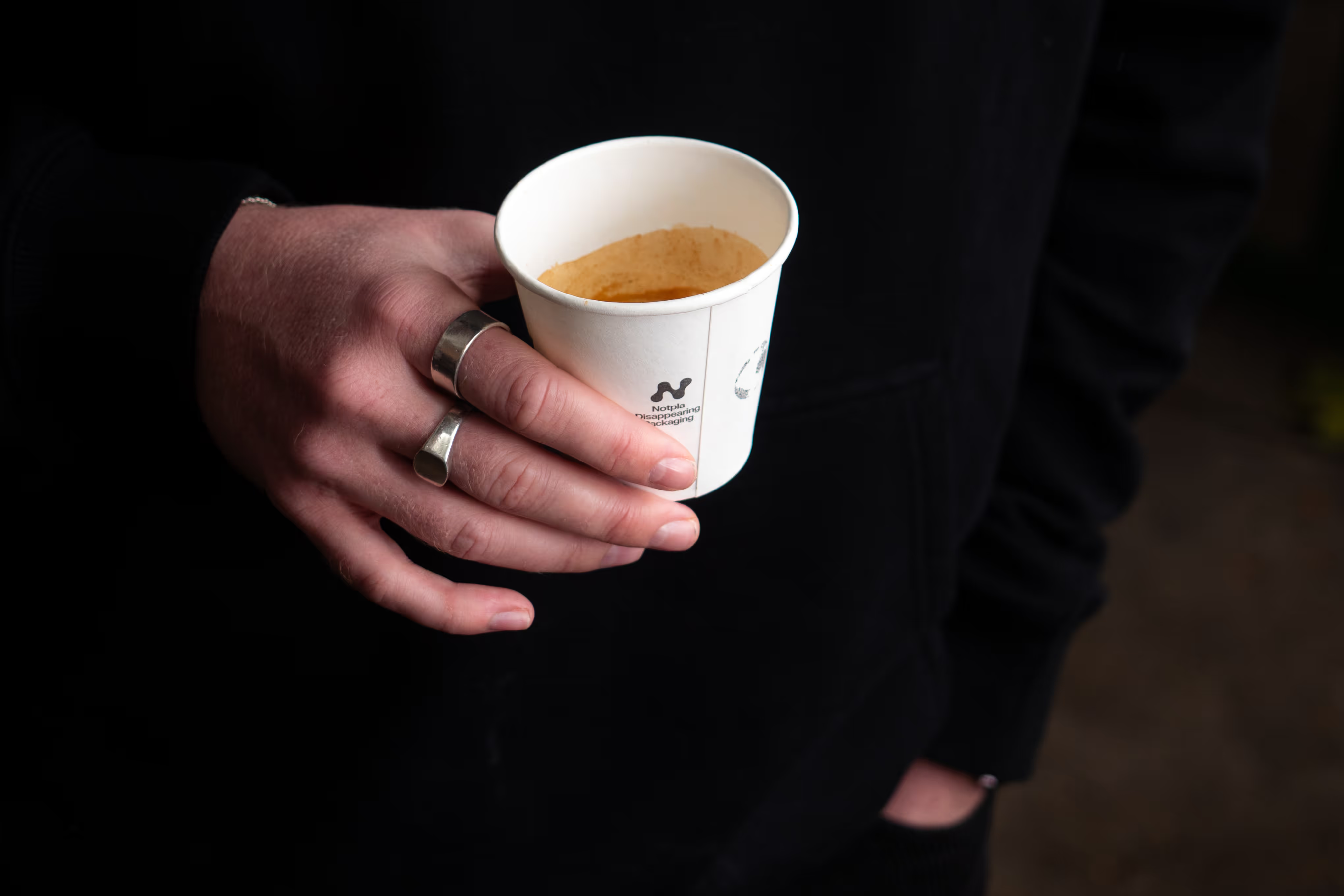
This project builds on work Notpla has already begun. In previous pilots, including a Gen 1 espresso cup trial at The Earthshot Prize in Rio, Notpla demonstrated that plastic free coated cups can perform in real world settings for specific formats. These early trials helped validate the approach and uncover the challenges that still need to be solved
.The Horizon project takes those learnings further. It expands the scope, deepens the research, and focuses on building a solution that can work across formats and contexts.

The disposable coffee cup looks like a simple invention, but it hides a complex problem. This project gives us the chance to tackle that issue at its source.
→ Pierre Paslier, Co-Founder & Co-CEO of Notpla
Follow the research
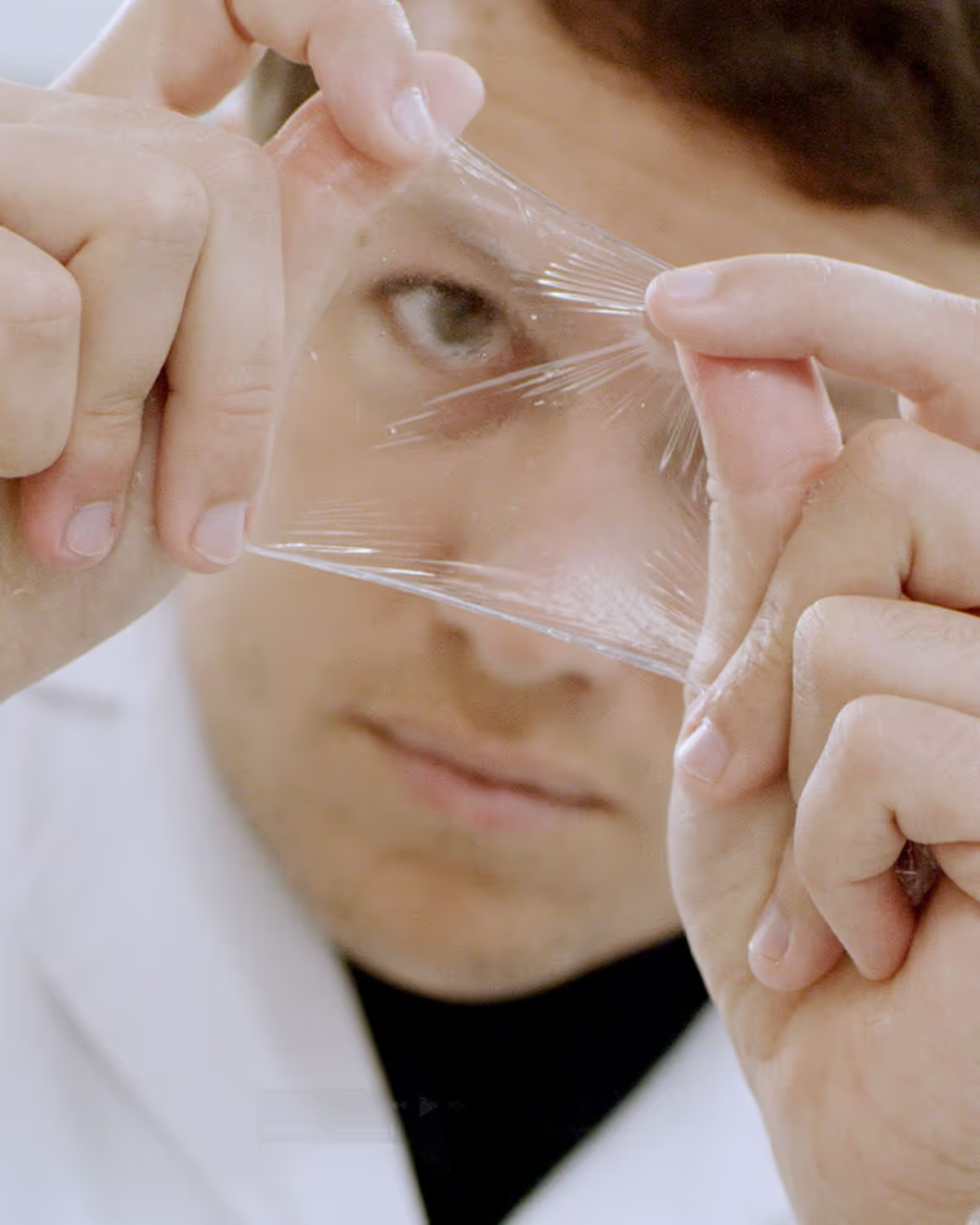
A three year research effort to remove plastic from one of the world’s most overlooked single use products.

Funded by the European Union. Views and opinions expressed are however those of the author(s) only and do not necessarily reflect those of the European Union . Neither the European Union nor the granting authority can be held responsible for them.
FAQs
It's only natural that you'd have questions.
Anything you're still keen to find out? Drop us a message →
It is a three year Horizon Europe funded research and innovation programme led by Notpla. The project focuses on developing a high performance coffee cup with a fully natural coating that does not rely on plastic.
No. This is a research and development project. While Notpla has piloted earlier coffee cup formats, the Horizon programme is focused on long term development, testing, and validation.
Developing a coffee cup that performs safely and consistently at scale without plastic requires extensive research, manufacturing trials, and real world testing.
The project is funded by the European Union under Horizon Europe and is managed by the European Research Executive Agency.
.jpg)
.jpg)

.jpg)