

Written by: Ayla de Heney, Innovation R&D (Ingredient Strategy)
Last week, we joined governments, scientists, seaweed farmers, researchers and policymakers in Geneva for the first annual meeting of the United Nations Global Seaweed Initiative (UNGSI).
The meeting marked an important milestone for the seaweed sector.
For the first time, many of the organisations shaping the future of seaweed came together in one place to discuss how the industry can grow responsibly, strengthen global supply chains and unlock new opportunities across food, agriculture and materials.
Notpla was invited to represent seaweed-based materials. We were the only seaweed packaging company in the room. While every conversation was different, one thing became clear.
Seaweed is no longer being seen as a niche resource. It's increasingly being recognised as an important material for the future.
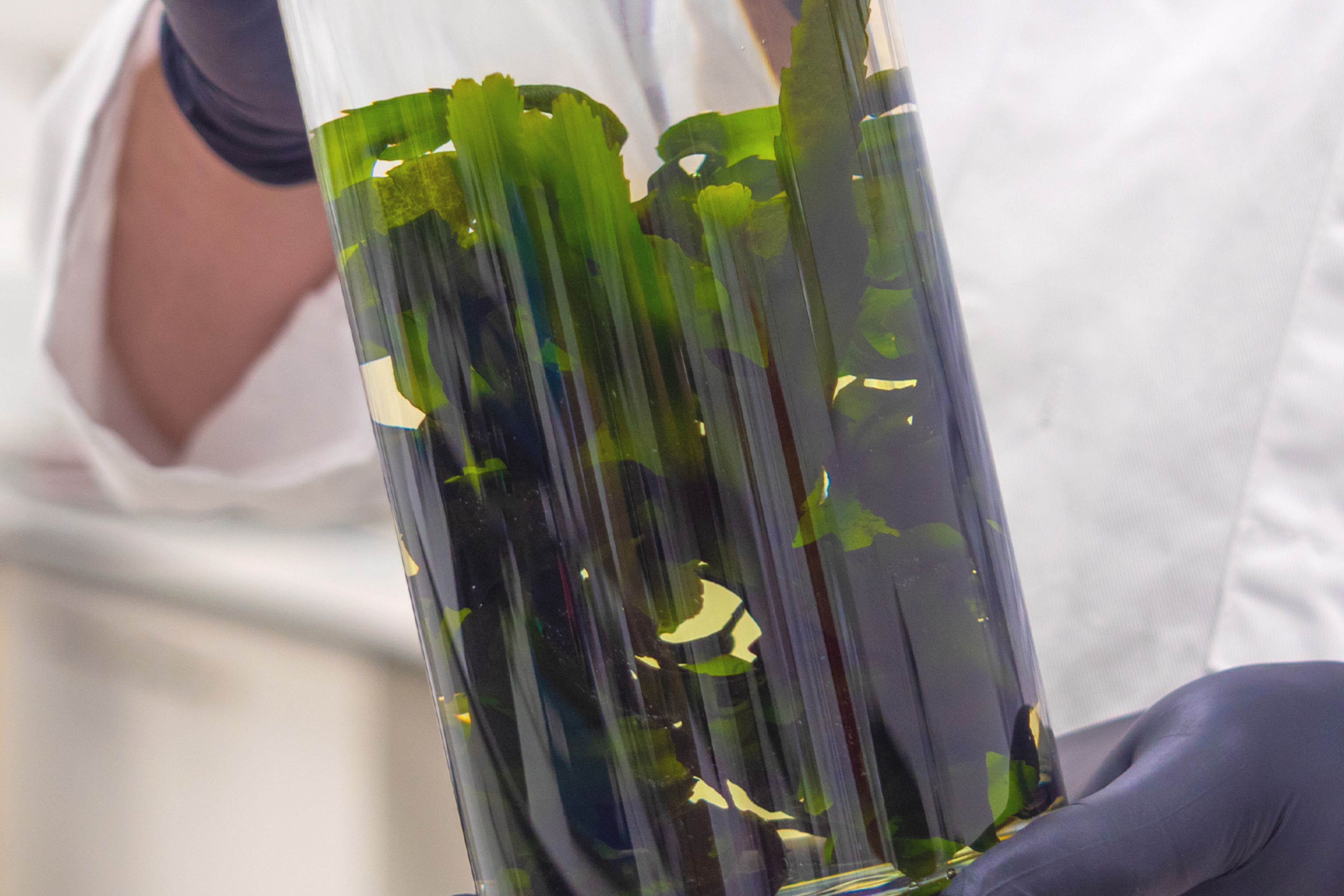
For many years, discussions around seaweed have largely focused on food and aquaculture. In Geneva, the conversation was much broader.
Government ministers, UN Trade and Development (UNCTAD), the Global Seaweed Coalition and researchers all pointed to the same opportunity: seaweed has the potential to support climate action, strengthen coastal economies, create new industries and diversify supply chains.
But recognising that potential is only the beginning. The challenge now is creating the policies, investment and international coordination needed to help the sector grow responsibly.
That's exactly why the UN Global Seaweed Initiative has been established.
One of the strongest themes throughout the meeting was scale.
Indonesia shared plans to grow annual seaweed production to between 11 and 12 million tonnes, supported by more than 200,000 farmers. Investment is already underway in tissue culture, mechanised seeding and harvesting, offshore cultivation and export certification, with other countries closely watching how that model develops.
But perhaps the most inspiring example came from Madagascar.
Representatives from Nosy Boraha shared a community-led approach to seaweed farming, where businesses help provide equipment, guarantee offtake and share commercial risk with local farmers.
It's a reminder that scaling an industry is about creating supply chains that work for everyone involved.
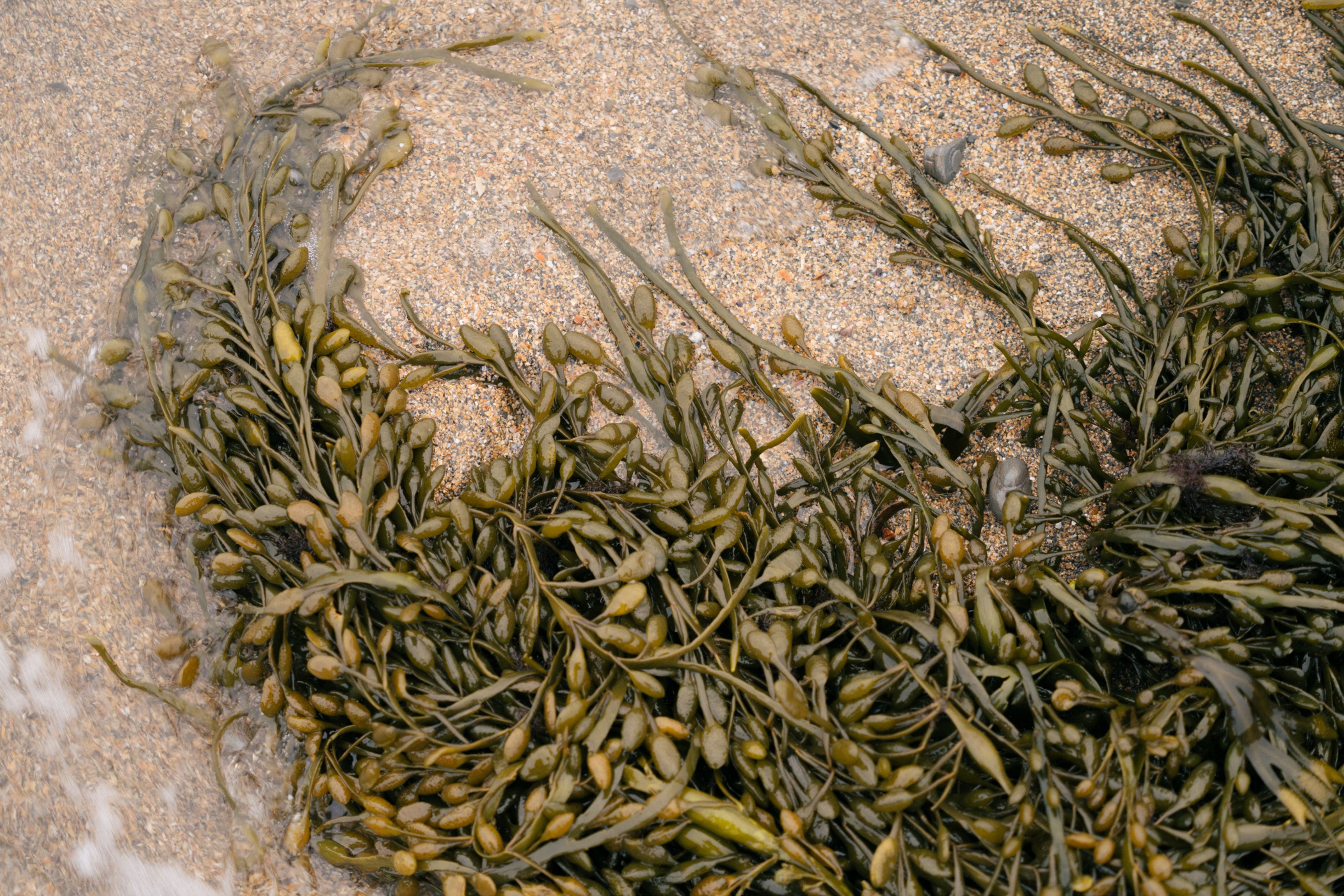
One reason this meeting felt significant for Notpla was that materials were part of the discussion from day one.
Historically, much of the regulation surrounding seaweed has been written with food in mind.
As seaweed finds new applications across packaging, consumer products and other material innovations, that regulatory framework will need to evolve.
UNCTAD outlined practical steps towards making that happen, including clearer international trade classifications, harmonised standards and more appropriate approval pathways for non-food applications. It also highlighted the importance of testing protocols covering safety, biodegradability and lifecycle performance.
For businesses developing seaweed-based materials, that kind of clarity matters.
It creates confidence across the supply chain and helps responsible innovation reach the market more effectively.
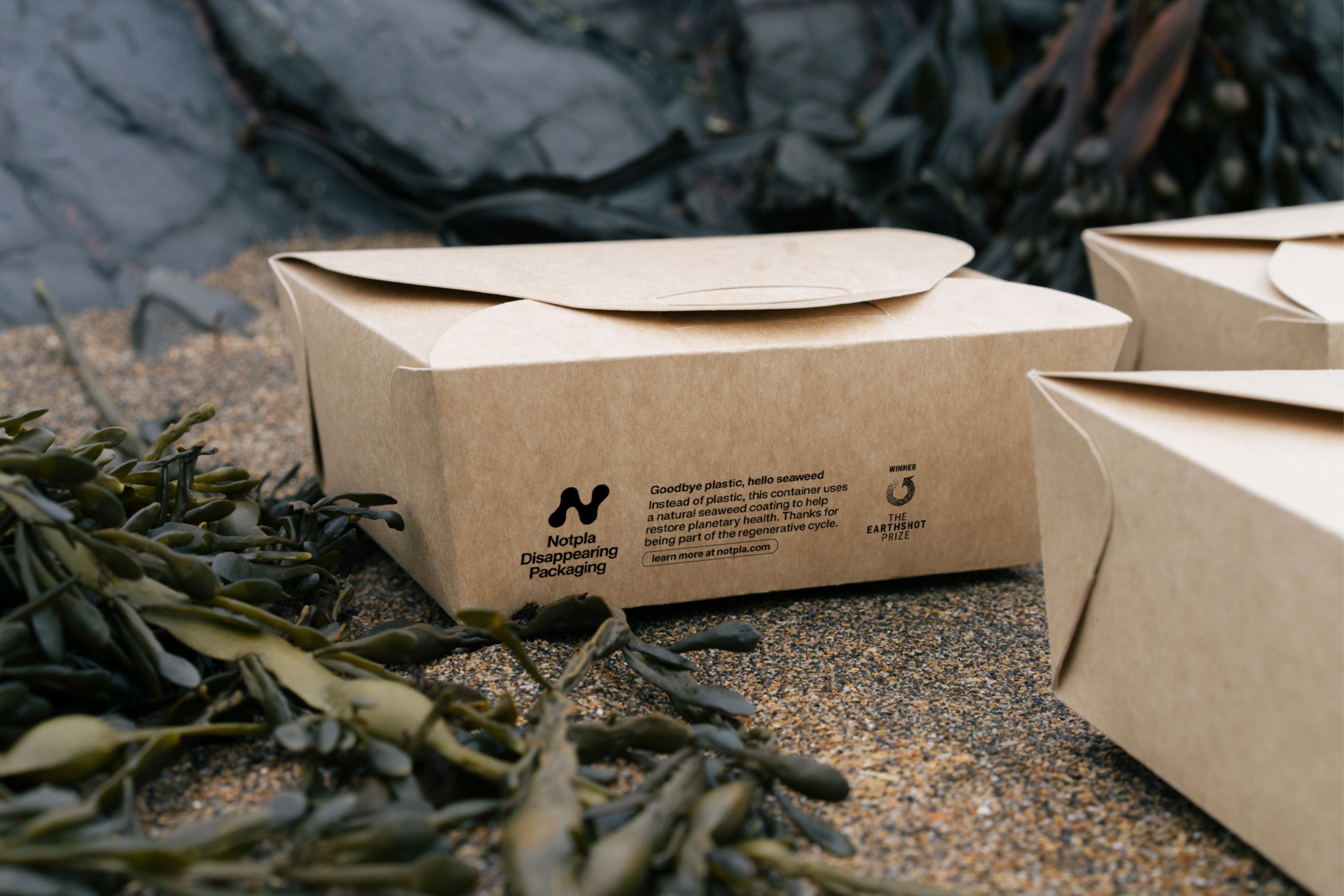
One phrase that stayed with us throughout the meeting was "regrettable substitutions."
The idea is simple. As industries move away from problematic materials, they shouldn't create new environmental or social challenges elsewhere.
That means thinking carefully about where materials come from, how they're produced and who benefits from their growth.
It's an approach that closely reflects how we think about sourcing at Notpla. Building better materials isn't only about the finished product.
It starts much earlier, with responsible sourcing, healthy ecosystems and strong relationships throughout the supply chain.
Hearing those same principles discussed at a global level was encouraging.
It suggests the seaweed sector is aiming to build strong foundations from the outset, rather than solving problems later.
This was the first time the seaweed sector had a coordinated, global forum bringing policy, science and finance together in one place, and materials were part of the conversation from day one.
The direction of travel is clear: growing production, sharper regulation, new financing mechanisms, and a shared commitment to doing it sustainably. That's a strong foundation for every business, like ours, built on this supply chain.
We'll be watching closely as upcoming sector assessments from the FAO and on Indonesia are published, and we're glad to have found some great people in that room to keep building with
Learn more about our use of seaweed, in our Impact Report 2025/26.
.jpg) Bespoke packaging at Notpla: Meet the team behind our food packaging design process
Bespoke packaging at Notpla: Meet the team behind our food packaging design process.jpg) The end of plastic versus paper: Why natural materials belong in modern manufacturing
The end of plastic versus paper: Why natural materials belong in modern manufacturing Notpla Stadium Range: building sustainable packaging into the big-game experience, at scale with Levy.