
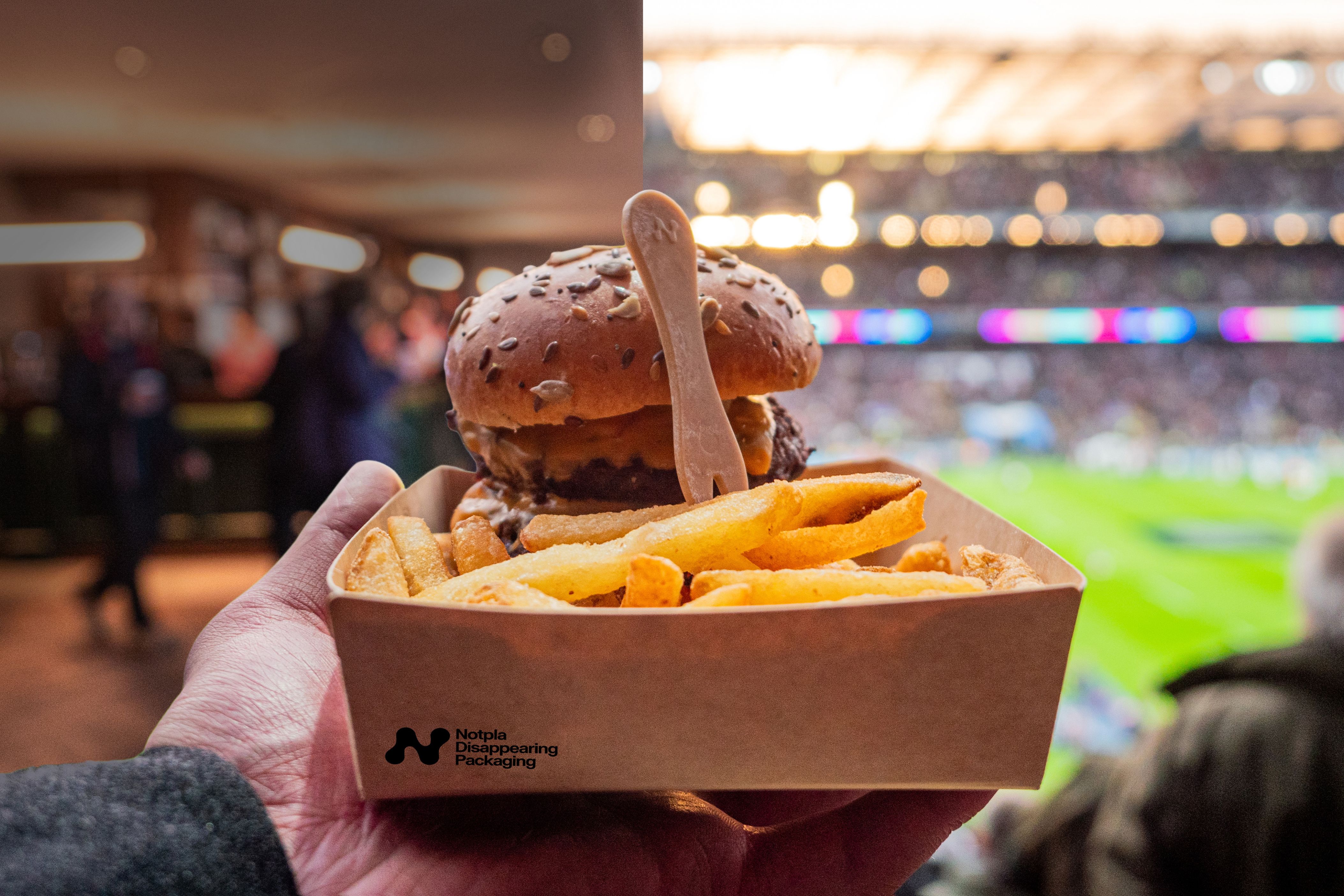
For years, packaging decisions have largely been driven by cost, performance and availability.
Increasingly, they're being shaped by something else: regulation.
Across Europe, a new framework is emerging that will fundamentally change how food packaging is designed, tested and brought to market. The Packaging and Packaging Waste Regulation (PPWR), Regulation (EU) 2025/40, is the most significant packaging legislation introduced by the European Union in decades.
While the regulation entered into force in February 2025, many of its requirements will begin to apply from 12 August 2026. For food packaging businesses, that deadline is now fast approaching.
But PPWR is about more than compliance. It signals a broader shift in how packaging is evaluated, moving beyond functionality alone and placing greater emphasis on material choices, recyclability and environmental performance.
For businesses operating across foodservice and retail, understanding where policy is heading is becoming just as important as understanding the market itself.
One of the most immediate changes introduced through PPWR is the restriction of PFAS in food-contact packaging.
PFAS, often referred to as "forever chemicals", have historically been used in a wide range of food packaging applications due to their grease and water-resistant properties. They can commonly be found in greaseproof paper, food wrappers, microwave packaging and bagasse food containers.
From 12 August 2026, Article 5 of PPWR introduces strict limits on PFAS in food-contact packaging. The regulation sets thresholds of 25 ppb for individual non-polymeric PFAS and 250 ppb for total non-polymeric PFAS.
For businesses, compliance isn't simply a case of supplier assurance. Packaging manufacturers and distributors will need documented evidence demonstrating compliance, including accredited laboratory testing and supporting technical documentation.
The deadline may be August 2026, but the preparation window is already closing. Testing, validation and supplier transitions take time, particularly for businesses considering reformulation or alternative packaging materials.
At Notpla, our seaweed-based coating is PFAS-free and supported by independent laboratory testing from ISEGA. For customers making the transition, that means entering the new regulatory landscape with evidence already in place.
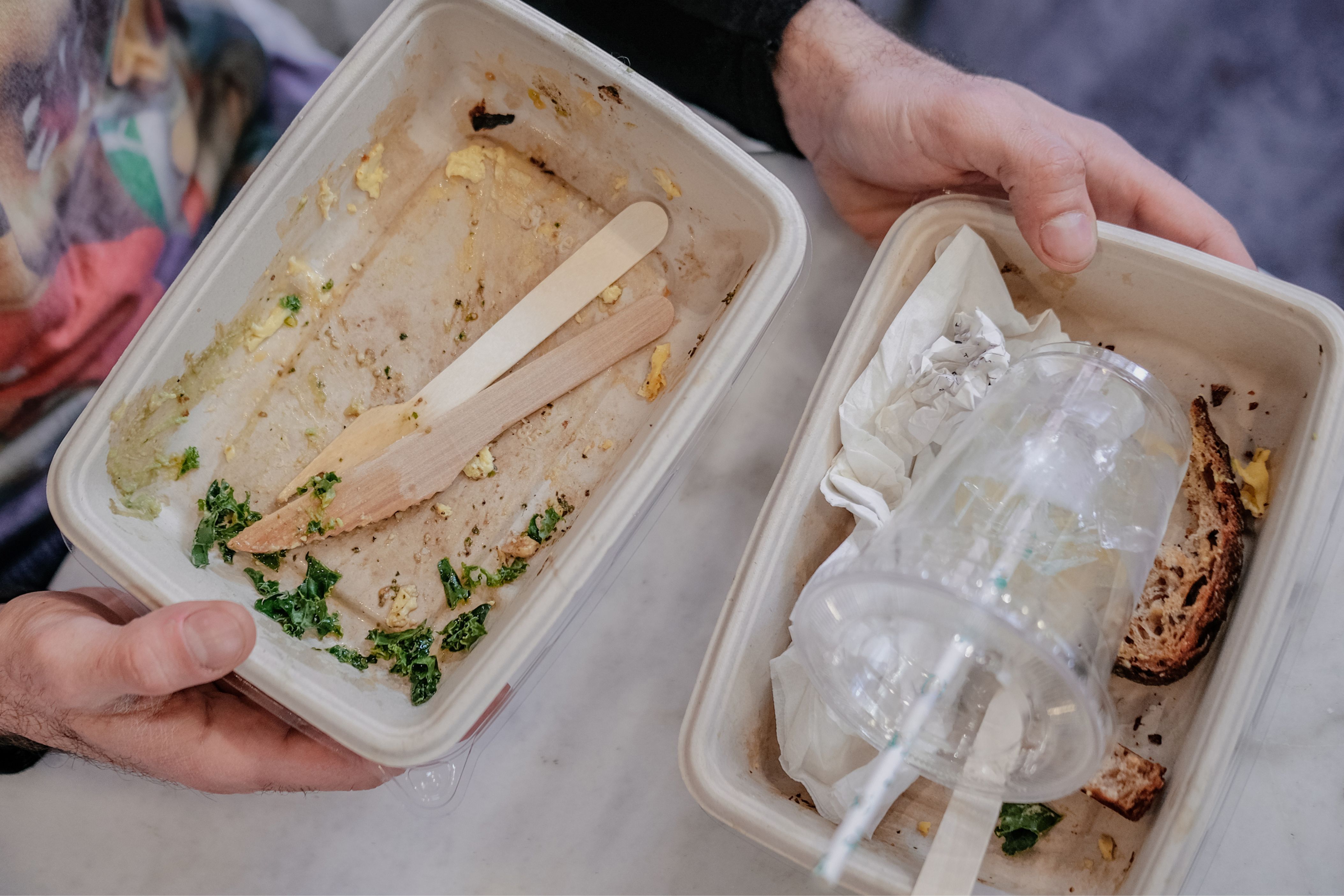
While PFAS restrictions represent the first major milestone, they are only one part of a much broader regulatory transformation.
PPWR introduces a clear long-term direction for packaging across Europe: all packaging must be designed for recycling.
By 2030, packaging will be graded according to recyclability performance, ranging from A to C. By 2038, Grade C packaging will be phased out entirely, leaving only the highest-performing formats on the market.
By 2035, packaging must also demonstrate that it is recycled at scale through real-world collection, sorting and recycling infrastructure.
This represents a significant shift.
Historically, many packaging formats have been assessed based on theoretical recyclability. PPWR moves the conversation towards practical recyclability, what actually happens to packaging once it enters existing waste management systems.
For businesses, recyclability is no longer simply a sustainability consideration. It is becoming a market access requirement.
This shift creates new challenges for conventional plastic-coated paper packaging.
Plastic coatings can interfere with paper recycling processes, reducing fibre recovery and creating challenges for paper mills. While some specialist recycling solutions exist, they often rely on limited infrastructure that is not widely available across Europe.
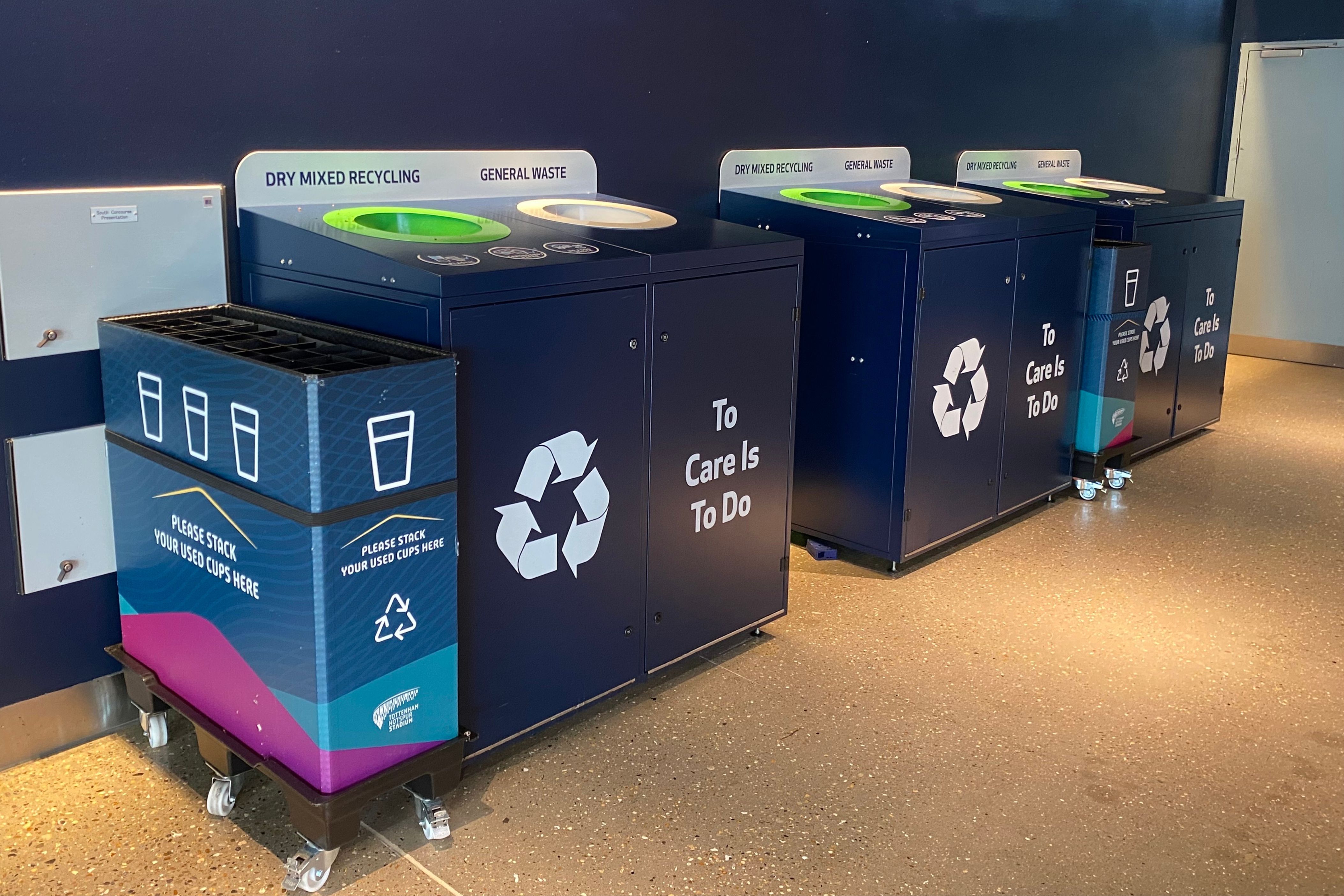
As recyclability requirements become more stringent, packaging formats will increasingly need to demonstrate compatibility with existing recycling systems.
Notpla-coated board has been developed with this future in mind.
In repulpability testing using the CEPI V3 methodology, Notpla-coated board achieved a score of 99 out of 100, demonstrating its ability to move through paper recycling processes without disrupting existing operations.
For paper mills, converters and foodservice operators alike, the direction of travel is becoming increasingly clear: packaging that works with existing infrastructure will be better positioned for the future than packaging that requires entirely new systems to function.
Alongside stricter packaging requirements, policymakers are also beginning to recognise the role that nature-based materials can play in supporting Europe's transition towards a more circular economy.
Earlier this year, the European Economic and Social Committee (EESC) adopted an opinion on nature-based biodegradable materials with overwhelming support.
The opinion highlights the potential of materials derived from chemically non-modified natural polymers to help reduce pollution, including microplastic leakage, while supporting Europe's bioeconomy and industrial innovation goals.
This is particularly significant because it aligns with the direction that Notpla has been pursuing for more than a decade.
Our materials are derived from chemically non-modified natural polymers and have been recognised by the Dutch government as not plastic under the Single-Use Plastics Directive since 2023. This made Notpla one of the first packaging materials to receive formal recognition under the legislation.
For us, the EESC opinion represents something bigger than policy recognition.
It signals a growing understanding that natural polymers are not simply an alternative material. They are an emerging material category with the potential to support regional supply chains, reduce reliance on fossil-based resources and help build a more resilient packaging industry.
The direction set by PPWR is clear: fewer problematic materials and chemicals, stronger evidence requirements and greater emphasis on recyclability and circularity.
For foodservice operators, brands and packaging manufacturers, the question is no longer if packaging will need to change, but how to make those changes in a way that supports both compliance and commercial performance.
The businesses that start those conversations today will be better positioned than those waiting for deadlines to arrive.
That's exactly why we created Swap with Notpla.
Swap with Notpla is our ongoing knowledge series, bringing together operators, sustainability leaders and packaging experts to explore the regulations, material innovations and real-world case studies shaping the future of food packaging.
Explore the latest Swap with Notpla resources, or get in touch with our team to discuss how your packaging strategy aligns with PPWR and the wider direction of European regulation.
.jpg) The end of plastic versus paper: Why natural materials belong in modern manufacturing
The end of plastic versus paper: Why natural materials belong in modern manufacturing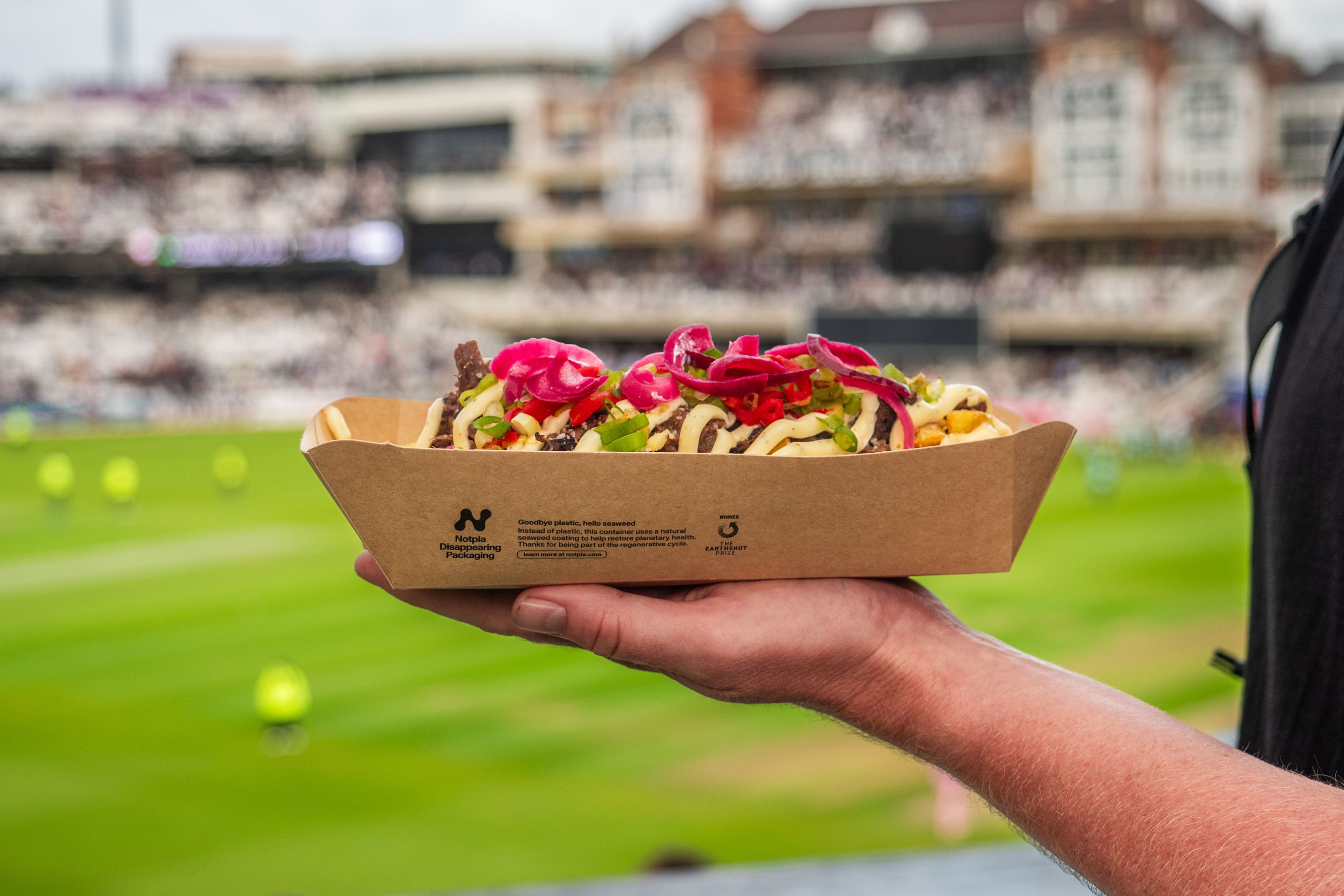 Notpla Stadium Range: building sustainable packaging into the big-game experience, at scale with Levy.
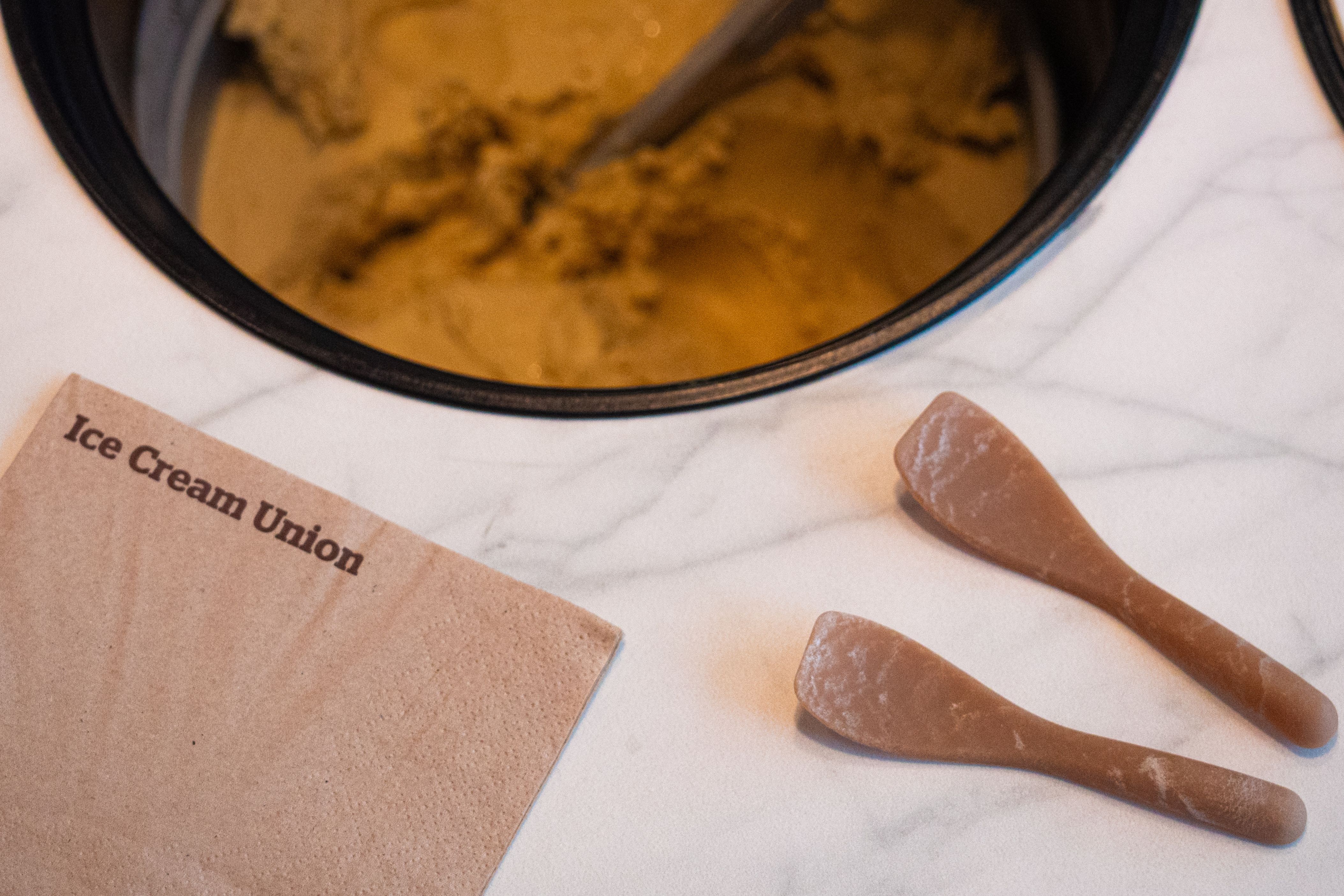 Why premium ice cream brands are switching to plastic-free spoons: Lessons from Ice Cream Union