
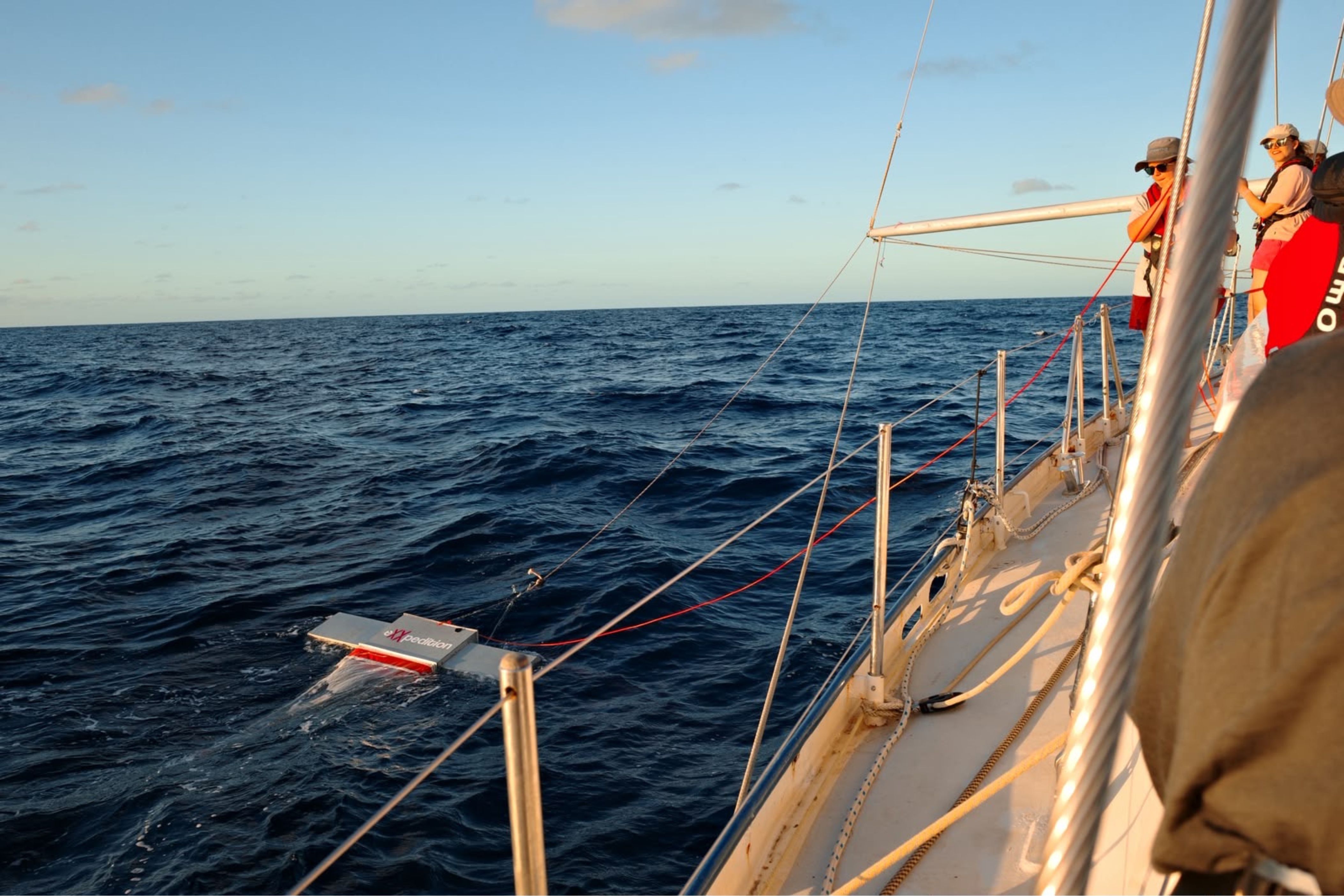
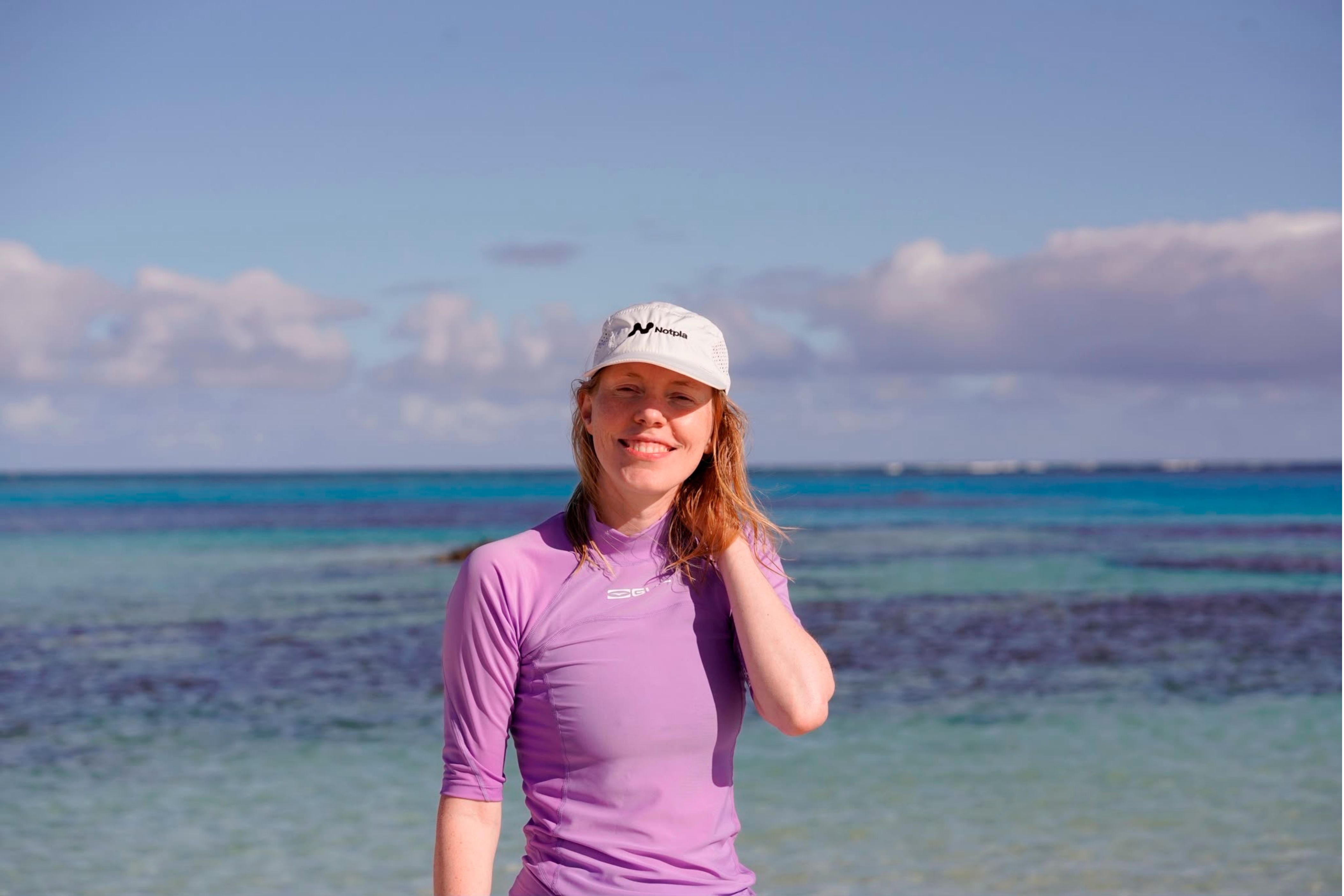
As we celebrate World Oceans Day, Notpla Chief Innovation Officer Karlijn Sibbel is halfway through a very different kind of journey.
Currently sailing across the South Pacific as part of eXXpedition, Karlijn has joined a crew of scientists, entrepreneurs, designers, artists and changemakers investigating plastic pollution at sea and tracing it back to its source.
Over the past week, the crew has surveyed coastlines, collected water samples, analysed microplastics and worked alongside local communities across Tonga. Together, they are building a deeper understanding of how plastic moves through our environment and what can be done to address it.
For a materials innovation company like Notpla, understanding what happens to materials after they enter the environment is an important part of designing better solutions.
Here are some of Karlijn's reflections from the first half of the voyage.
Every year, millions of tonnes of plastic enter the world's oceans.
While visible pollution often dominates headlines, the reality is far more complex. Plastic doesn't simply accumulate in one place. It moves through coastlines, rivers, ecosystems and food chains, breaking down into smaller and smaller fragments over time.
This is one of the key questions eXXpedition seeks to explore.
Not just where plastic ends up, but how it gets there in the first place.
By combining scientific research, local knowledge and cross-disciplinary collaboration, the expedition helps build a clearer picture of how plastic pollution travels through the environment and impacts communities around the world.
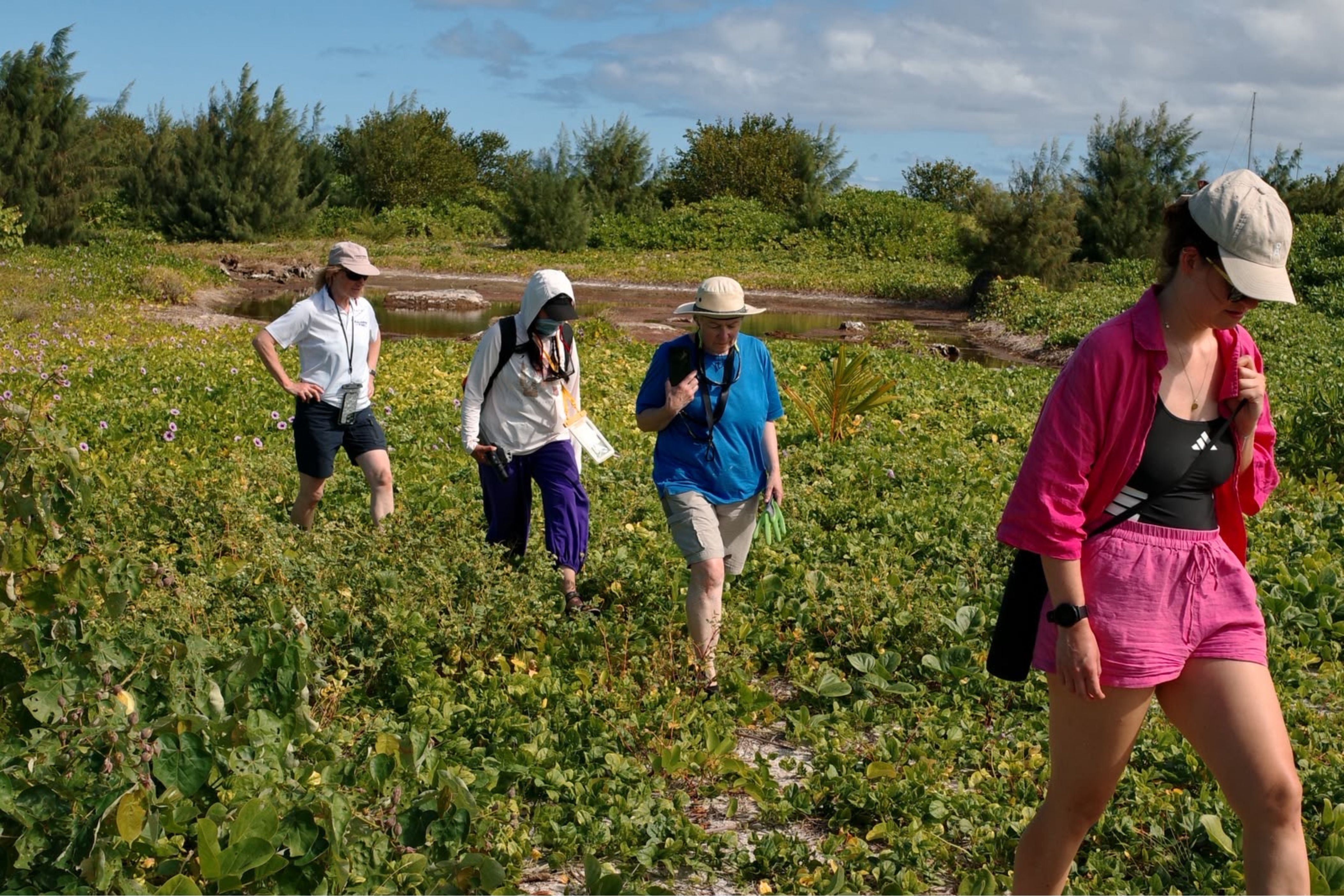
One of the first tasks for the crew involved conducting beach and coastal transects around Tongatapu.
Working in pairs, the team surveyed designated stretches of coastline, recording every piece of litter found within carefully measured areas.
One observation quickly stood out: much of the plastic wasn't scattered across the beach itself.
Instead, many items had become trapped in vegetation and ground vines beyond the shoreline, making them far less visible than expected.
It's a reminder that understanding plastic pollution often requires slowing down and looking beyond what is immediately visible.

Alongside scientific research, the expedition has also focused on understanding local perspectives.
Karlijn and the crew spent time speaking with food vendors, business owners and community members about packaging, waste and the challenges they face.
One coffee shop owner described the effort required to source alternative packaging solutions, importing products from New Zealand despite significant logistical challenges.
On another island, the crew discovered local innovations using paper made from invasive plant species.
These conversations highlight an important reality.
Solutions to plastic pollution are not created in isolation. They emerge from communities, businesses, researchers and innovators working together to solve problems in their own contexts.
As Wind Shift moved further offshore, the research shifted from land to water.
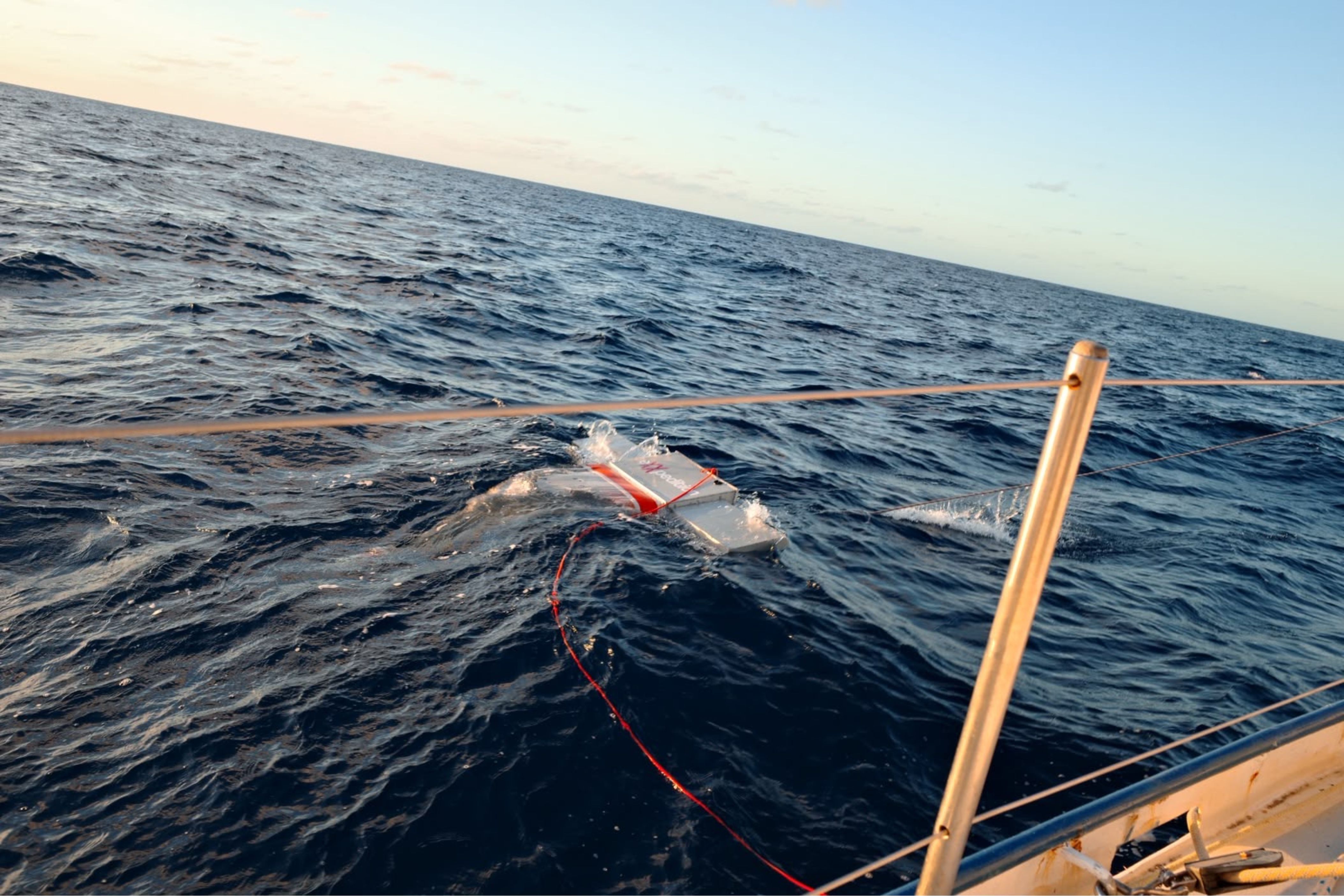
The crew began conducting manta trawls, a scientific sampling method used to collect particles floating on the ocean surface.
These samples help researchers identify and analyse microplastics; tiny plastic fragments that can be difficult to detect but are now found throughout marine ecosystems worldwide.
The process is meticulous. Distinguishing plastic particles from plankton and other natural materials is often more challenging than many people expect.
Yet understanding these materials is critical to building a clearer picture of how plastic pollution behaves once it enters the ocean.
One of Karlijn's strongest reflections so far has been the diversity of people involved.
The crew includes scientists, artists, designers, entrepreneurs and sustainability advocates from around the world.
Each person brings a different perspective, but all are united by a common goal: better understanding plastic pollution and helping drive positive change.
From knowledge-sharing workshops with local communities to evening presentations onboard, the expedition has become a powerful example of how collaboration can accelerate new ideas and solutions.
.jpg)
At Notpla, we spend a lot of time thinking about materials.
What they're made from, how they're used, and what happens to them after use.
Expeditions like this provide an important perspective.
They help connect the design decisions made upstream with the environmental realities experienced downstream.
As a company inspired by seaweed and natural materials, understanding how materials behave in the real world remains central to how we think about innovation.
Five days in, the expedition has already taken the crew from coastal surveys and community workshops to overnight sails, water sampling and remote islands across Tonga.
There are still more samples to collect, more islands to visit and more conversations to have.
When Karlijn returns, we'll be sharing further reflections from the voyage, alongside conversations with fellow crew members and deeper insights into what she's learned along the way.
Until then, happy World Oceans Day from all of us at Notpla.
.jpg) The end of plastic versus paper: Why natural materials belong in modern manufacturing
The end of plastic versus paper: Why natural materials belong in modern manufacturing Notpla Stadium Range: building sustainable packaging into the big-game experience, at scale with Levy.
 Why premium ice cream brands are switching to plastic-free spoons: Lessons from Ice Cream Union